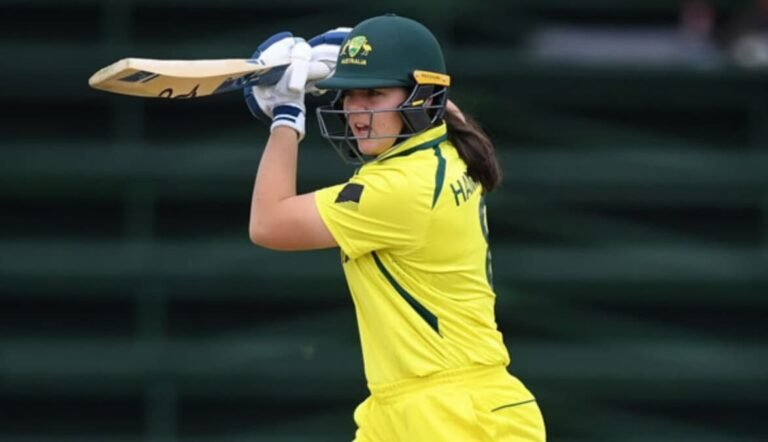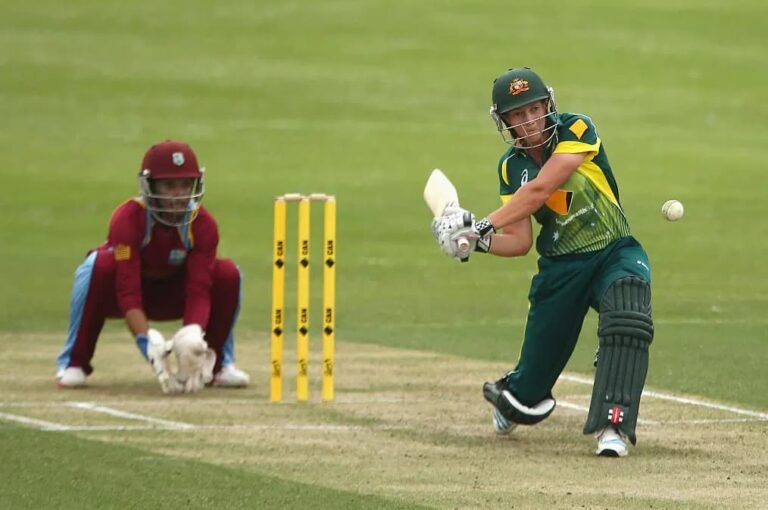
England Women’s U19 Squad for Australia Tri-Series 2026
England has officially named its Women’s U19 squad for the upcoming tri-series against Australia and Sri Lanka, and it’s clear the selectors aren’t messing about.
This isn’t just another developmental tour, it’s a proper examination of England’s next generation, set against two very different opponents who’ll test every aspect of these youngsters’ games.
The squad announcement has sparked plenty of conversation among fans and coaches alike, and for good reason.
What makes this selection particularly interesting is the balance between raw talent and players who’ve already shown they can handle pressure in domestic cricket.
The tri-series format means these players will face multiple high-pressure situations in quick succession, which is exactly the kind of experience that separates those who can step up from those who aren’t quite ready yet.
England Women’s U19 Squad for Australia Tri-Series 2026
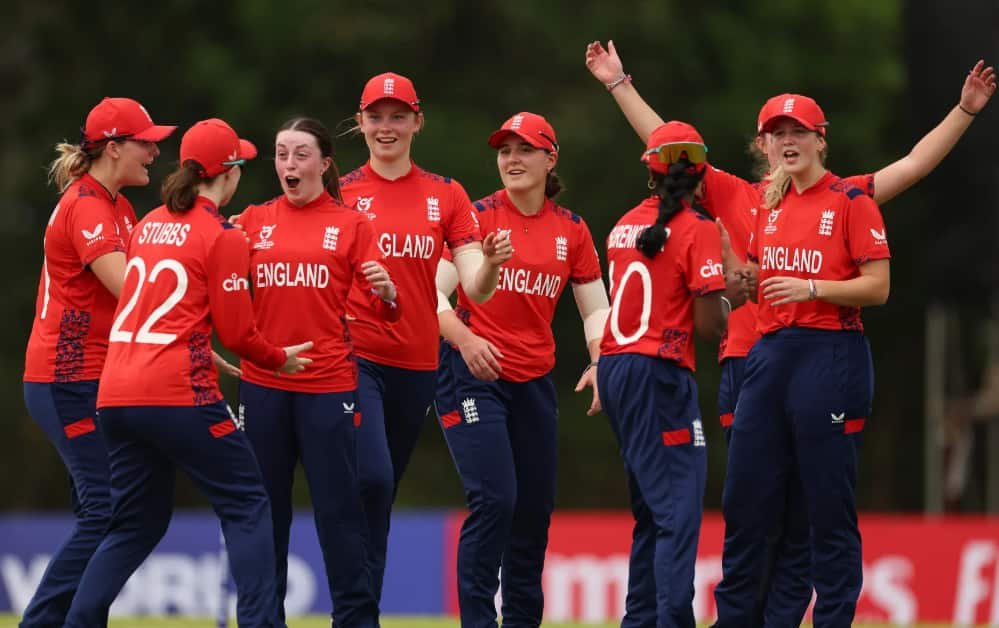
Squad Composition and Selection Strategy
The England Women’s U19 squad for Australia tri series 2026 players includes sixteen names, each bringing something distinct to the table.
Mollie Adams, Maria Andrews, and Diya Badge have earned their spots through consistent performances in regional competitions, where they’ve shown they don’t crumble when matches get tight.
Sophie Beech and Eliza Bristowe add technical solidity to the batting lineup—the kind of players who can occupy the crease when conditions are difficult.
The selectors have clearly prioritized versatility.
In modern limited-overs cricket, you need players who can contribute in multiple ways, and this squad delivers on that front.
Olivia Cunliffe and Bryony Gillgrass both offer genuine all-round capabilities, which gives the management serious flexibility when it comes to team selection and tactical adjustments mid-match.
Breaking Down the Bowling Options
Gen Jeer and Trudy Johnson are expected to handle the new-ball duties, bringing pace and aggression upfront.
Australia’s pitches typically offer something for the seamers early on, and these two will need to capitalize on that.
The key will be maintaining discipline—on bouncy Australian surfaces, wayward bowling gets punished quickly.
The spin department features Eve O’Neill and Amelia Oliver, both of whom will be crucial in the middle overs.
Against Sri Lanka particularly, these spinners will face batters who’ve grown up playing spin, so it won’t be easy. Shristi Patil and Prarthana Reddy add further depth to the bowling attack, ensuring England has options regardless of match conditions.
Clara Thaker, Venus Weerappuli, and Bea Willis round out the squad, providing competition for places and ensuring no one gets too comfortable.
That internal competition is healthy—it keeps standards high during training and means injuries or form dips won’t derail the entire campaign.
Tournament Schedule and Format Details
The England women’s u19 squad for australia tri series 2026 schedule will see the team face both Australia and Sri Lanka in a round-robin format before the top two teams contest the final.
Each match presents different challenges—Australia will test England’s ability to handle pace and bounce, while Sri Lanka will examine their skills against quality spin bowling.
| Opposition | Primary Strength | Key Challenge for England |
|---|---|---|
| Australia U19 | Pace bowling, aggressive batting | Adapting to bounce and pace |
| Sri Lanka U19 | Spin variations, experience against pace | Playing spin in middle overs |
| Tournament Format | Round-robin plus final | Consistency across multiple matches |
The scheduling allows for recovery between matches, which is important given the physical demands of touring Australia.
Players will need to manage workloads carefully, particularly the all-rounders who’ll be expected to contribute heavily with both bat and ball.
What the Numbers Will Tell Us
When following the England women’s u19 squad for australia tri series 2026 score updates, there are specific metrics worth watching beyond just the final totals.
How many runs does England score in the powerplay versus in the death overs?
That’ll reveal whether the batters can accelerate effectively under pressure.
Similarly, the economy rates of spinners in overs 11-15 will show how well they control the middle phase—a critical skill in limited-overs cricket.
Individual performances matter, but patterns matter more.
If England consistently loses wickets in clusters, that’s a temperament issue that needs addressing.
If they’re getting bowled out with overs remaining, it suggests either a technical weakness against specific deliveries or poor game awareness.
Expert Insight: Development Over Results
Here’s what often gets misunderstood about youth cricket tours—winning every match isn’t actually the priority.
Sure, results matter, but what matters more is how these players respond when things go wrong.
Do they panic when early wickets fall, or do they rebuild intelligently? When opposition bowlers are on top, can England’s batters adjust their approach and weather the storm?
The coaching staff will be assessing decision-making under pressure more than raw statistics.
A player who scores 35 off 40 balls while building a crucial partnership after a collapse might be more impressive than someone who smashes 50 off 30 when the game’s already won.
Context matters enormously at this level.
Australia’s conditions provide an ideal learning environment.
The bounce forces batters to adjust their shot selection, the larger grounds demand better running between wickets, and the competitive atmosphere simulates genuine international pressure.
These aren’t lessons you can learn in domestic cricket.
How to Follow the Matches
For fans wanting to track the England women’s u19 squad for australia tri series 2026 live, multiple streaming options should be available through standard cricket platforms.
The time difference means matches will likely be broadcast during UK morning hours, making them accessible for fans back home.
Social media will provide real-time updates, but watching the actual matches reveals far more than scorecards ever can.
You’ll see how batters adjust to different bowlers, how captains rotate their bowlers, and how fielding standards hold up under pressure—all crucial indicators of future potential.
Squad Strengths and Potential Weaknesses
England’s batting looks solid on paper, with multiple players capable of building innings.
The concern is whether they have enough firepower at the death—those final five overs where matches are often decided.
The all-rounders help here, but there’s still a question mark over whether England has genuine big-hitters who can clear the boundary consistently.
The bowling attack has variety, which is positive.
However, depth is always tested on tour when players pick up niggles or lose form.
If two frontline bowlers have off days simultaneously, can the others step up? That’s when you discover your squad’s true character.
| Player Type | Count in Squad | Squad Balance Assessment |
|---|---|---|
| Specialist Batters | 5 | Good depth for top/middle order |
| All-rounders | 4 | Excellent flexibility for tactics |
| Specialist Bowlers | 7 | Strong variety (pace and spin) |
Frequently Asked Questions
- Who captains the England Women’s U19 squad for this tri-series?
The captain hasn’t been officially announced yet, but it’ll likely be someone with previous leadership experience at county level who can handle the tactical demands of captaining overseas.
- When does the tri-series actually start?
The exact dates haven’t been finalized publicly, but it’s expected to take place in the Australian summer window when conditions are favorable for cricket.
- Will matches be played in T20 or 50-over format?
The format hasn’t been confirmed, but youth tri-series typically use shorter formats—most likely T20 or potentially a mix of both formats.
- How is this squad different from the previous U19 selections?
This squad features several debutants at this level and reflects recent domestic performances, meaning it’s fresher than previous selections with more emerging talent.
- Can these players go straight into the senior England team?
Not immediately, but strong performances here put them firmly on the pathway. Several current senior England players made similar tours at U19 level before progressing through the system.
Final Thoughts
The England Women’s U19 squad for Australia Tri-Series 2026 represents a genuine investment in the future.
These sixteen players aren’t just filling spots—they’re the foundation for England’s women’s cricket over the next decade.
What happens in Australia won’t define their careers, but it’ll certainly shape them.
The tri-series offers something special: genuine competitive cricket in challenging conditions against quality opposition.
That’s where reputations are built and weaknesses are exposed.
Some of these players will return home with enhanced confidence and improved skills. Others might realize they need to work on specific aspects of their game. Both outcomes are valuable.
What makes this tour particularly exciting is the unknowns.
Which batter will handle Australian pace best? Which spinner will outfox Sri Lankan batters? Which all-rounder will produce the match-winning performance that announces their arrival?
Those storylines will unfold over the coming weeks, and England cricket fans should be paying attention.