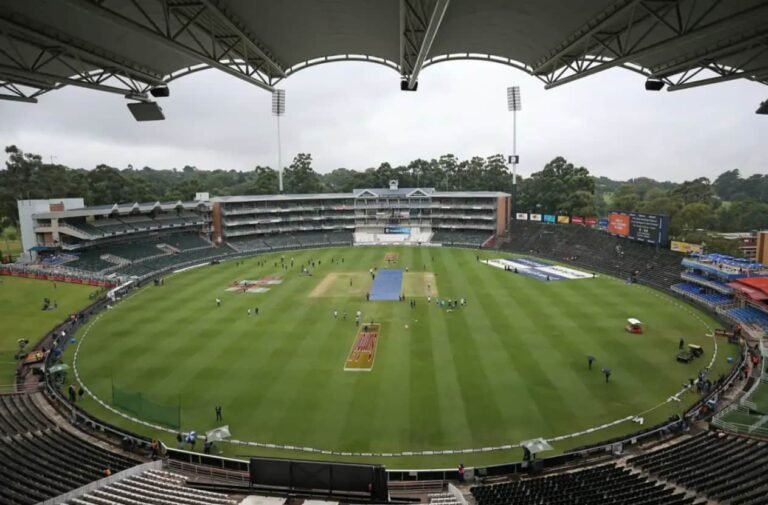
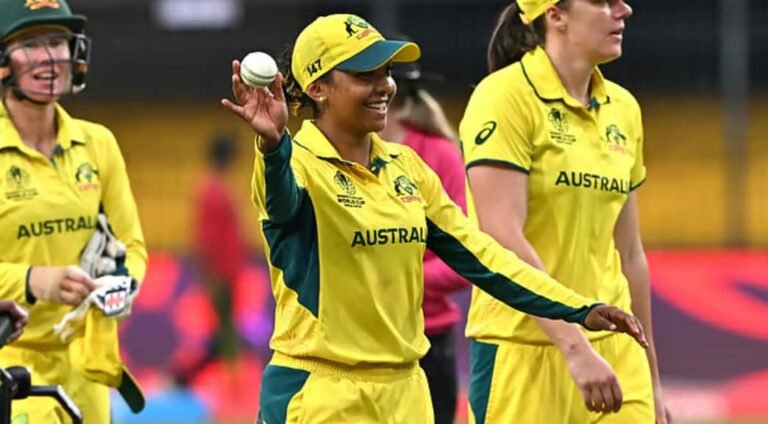
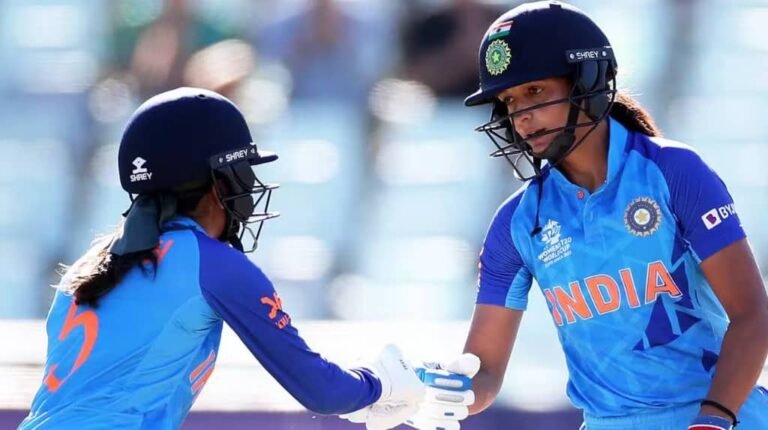
Delhi’s premier cricket venue hosts some of the biggest women’s cricket matches in India.
The Arun Jaitley Stadium has seen WPL clashes, international ODIs, and T20Is that shaped tournaments.
This Arun Jaitley Stadium pitch report focuses purely on women’s cricket.
The playing conditions, scoring patterns, and tactical approaches differ from men’s matches.
Women’s cricket at this venue shows distinct trends.
Arun Jaitley Stadium Pitch Report
Understanding these helps predict match outcomes, set Fantasy teams, and appreciate how elite players adapt to Delhi’s conditions.
How the Pitch Plays for Women’s Cricket?
The surface at Arun Jaitley Stadium offers true bounce and consistent pace. Women batters who trust the ball coming on do well here.
Unlike some grounds where the pitch slows down dramatically, Delhi maintains its character through both innings. The ball reaches batters at decent speed, which rewards timing over brute force.
Early in the match, seamers find movement. The new ball swings when conditions are right, especially in evening games with some moisture in the air.
Spinners get gradual assistance as the pitch wears. But do not expect dust bowls or square turners. Smart bowling beats relying on the surface alone.
Women’s Cricket Stats at This Venue
| Format | Matches | Avg 1st Innings | Avg 2nd Innings | Chasing Wins |
|---|---|---|---|---|
| WPL T20s | 12 | 156.8 | 142.3 | 5 of 12 |
| Women’s T20Is | 8 | 148.6 | 138.9 | 3 of 8 |
| Women’s ODIs | 6 | 234.5 | 218.7 | 2 of 6 |
The numbers reveal clear patterns. Teams batting first score 10-15 runs more on average across all formats.
WPL matches see higher scoring than international women’s T20Is. This makes sense given WPL teams stack their batting lineups with overseas stars.
ODI numbers show similar trends. First innings teams average 234, while chasing teams average 218. That 16-run gap is significant over 50 overs.
Chasing success rates sit around 40-45%. Not impossible, but definitely harder than batting first.
Batting Conditions for Women Players
Powerplay Phase
The first six overs offer good value. The hard new ball travels quickly off the bat when you middle it.
Width gets punished. Bowlers who stray outside off stump give batters room to free their arms. Square cuts and cover drives find gaps easily.
Swing can trouble openers. When seamers pitch it up and move the ball, early wickets fall. Smart batting means playing straight initially.
Middle Overs Strategy
Overs 7-15 in T20s and 11-40 in ODIs present the toughest phase. Spinners operate, fields spread, boundaries get harder.
Rotation becomes crucial. Singles and twos keep the scoreboard moving without taking huge risks. Batters who can work the ball into gaps thrive.
The pitch does not slow down drastically like some venues. You can still score if you pick your moments.
Death Overs Acceleration
The final five overs in T20s see run rates spike. Batters set at the crease can target specific bowlers and areas.
Short boundaries help aggressive players. Anything short on the leg side disappears over square leg.
Power hitters who connect cleanly get sixes. Timing matters more than pure strength, which suits how many women batters play.
Bowling Strategies That Work
Pace Bowling Approach
New ball bowlers should pitch it up. Full lengths around off stump create chances when the ball moves.
Variations become important quickly. Slower balls, cutters, and back-of-hand deliveries work better than bowling 110 kph every delivery.
Death bowling requires precision. Wide yorkers save runs. Anything in the slot gets deposited over the boundary.
Spin Bowling Tactics
Flight and guile beat trying to rip it square. The pitch offers turn, but smart bowling creates more wickets than relying on the surface alone.
Changing pace works brilliantly. Batters get used to the rhythm. Break that rhythm, get a wicket.
Leg spinners find more success than off spinners historically. The natural variation and wrong ‘un keep batters guessing.
Field Placements
Protect short boundaries always. Deep square leg and deep point are non-negotiable after the powerplay.
Saving one fielder for straight hits matters. Lofted drives over mid-off and mid-on score runs regularly.
Ring fields in the middle overs force batters to hit gaps. This builds pressure and creates mistakes.
Boundary Dimensions Impact
| Boundary Type | Distance | Impact on Women’s Cricket |
|---|---|---|
| Square Boundaries | 60 meters | Very gettable, favors pull and cut shots |
| Straight Boundaries | 74 meters | Reachable for power hitters, challenging for others |
| Average Length | 65 meters | Shorter than most international venues |
The 60-meter square boundaries change tactics. Women players do not need to hit sixes like Harmanpreet Kaur or Ellyse Perry to clear them.
Timing and placement beat power. A well-struck pull shot carries over square leg. A late cut finds the point boundary.
Straight boundaries at 74 meters require more effort. Batters who hit down the ground need clean contact to clear.
These dimensions favor batters overall. Bowlers cannot afford to miss their lines even slightly.
Top Performances by Women Players
| Player | Score/Figures | Match Type | Year |
|---|---|---|---|
| Smriti Mandhana | 87* (56) | WPL | 2024 |
| Harmanpreet Kaur | 103 (88) | Women’s ODI | 2023 |
| Meg Lanning | 72 (43) | WPL | 2023 |
| Jemimah Rodrigues | 76* (52) | Women’s T20I | 2024 |
| Radha Yadav | 4/18 (4 overs) | WPL | 2024 |
| Sophie Ecclestone | 3/12 (4 overs) | WPL | 2023 |
Smriti Mandhana’s 87* shows how to build an innings here. She rotated strike early, then accelerated through middle and death overs.
Harmanpreet’s ODI century displayed controlled aggression. She picked bowlers to attack and stayed patient against quality bowling.
Meg Lanning’s 72 in WPL proved overseas stars adapt quickly. She used the pace of the pitch and targeted short boundaries.
Radha Yadav’s 4/18 bowling figures show spinners can dominate. Flight, variation, and smart fields created pressure.
Recent WPL Matches Analysis
| Match | Teams | Winner | 1st Innings | 2nd Innings | Result |
|---|---|---|---|---|---|
| 1 | DC vs MI | DC | 163/5 | 158/7 | DC won by 5 runs |
| 2 | DC vs RCB | RCB | 149/6 | 152/4 | RCB won by 6 wickets |
| 3 | DC vs GG | DC | 171/4 | 165/8 | DC won by 6 runs |
| 4 | DC vs UP | UP | 156/7 | 159/5 | UP won by 5 wickets |
| 5 | DC vs MU | DC | 178/3 | 169/7 | DC won by 9 runs |
Three defending totals versus two successful chases in recent WPL games. This mirrors the overall trend favoring teams batting first.
Scores range from 149 to 178. Most competitive totals sit between 160 and 170 in T20 format.
Teams defending 165-plus have won more often. Anything below 155 invites pressure from strong chasing lineups.
Close finishes dominate. Four of five matches were decided by less than 10 runs, showing how balanced contests get at this venue.
Weather Conditions in Delhi
| Factor | Typical Conditions |
|---|---|
| Temperature | 25-30°C during WPL season |
| Wind | Light, 8-12 km/h |
| Rain Risk | Less than 10% in March-April |
| Humidity | 35-55% |
| Dew Factor | Minimal in evening games |
Delhi offers stable weather during the WPL and the women’s international series.
March and April see pleasant temperatures perfect for cricket.
Rain rarely interrupts play. The dry season means full games almost always happen.
Dew is less of an issue than venues like Kolkata or Mumbai. The ball might get slightly slippery later, but nothing dramatic.
Wind stays gentle. It does not affect shot selection or bowling plans significantly.
Toss Decision for Women’s Matches
Data supports batting first. The 10-15 run average difference between innings tells the story.
Recent WPL trends strengthen this. Teams batting first won 7 of 12 matches, including all games where they posted 165-plus.
Chasing requires your batting lineup to fire collectively. One or two failures make the target unreachable.
If you win the toss at Arun Jaitley Stadium in women’s cricket, bat first unless your team chases particularly well.
Tactical Playbook for Teams
When Batting First
Set a platform in the powerplay. Do not lose more than one wicket in the first six overs.
Build through the middle. Rotate strike, find gaps, keep wickets in hand for the final assault.
Launch after the 15th over. Batters set for 30-40 balls can target 50-60 runs in the last five overs.
When Chasing
Start aggressively. You cannot afford slow power plays when chasing 160-plus.
Keep wickets in hand. Losing three wickets in the first 10 overs makes winning almost impossible.
Calculate risk versus reward constantly. Know which bowlers to attack and which to respect.
Bowling Plans
Strike early with the new ball. Top order wickets create pressure that lasts.
Tight bowling in the middle overs builds pressure. Batters make mistakes when boundaries dry up.
Execute yorkers in death overs. Nothing else saves runs consistently with short boundaries.
Pitch Characteristics Today
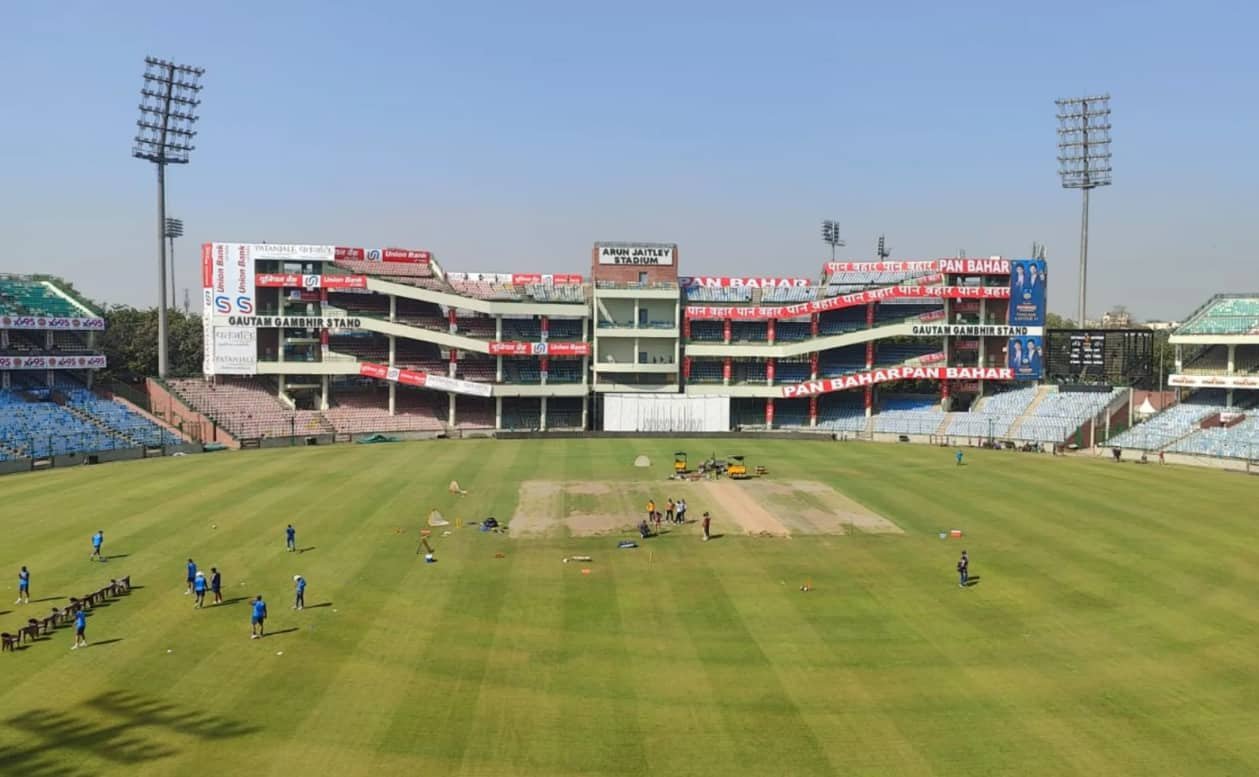
Current preparation shows typical Delhi characteristics. Firm base, minimal grass, slightly dry on top.
The surface will play true for most of the match. Expect consistent bounce and decent pace throughout.
Some wear might appear by the second innings. Spinners could get more grip, but do not expect it to crumble.
A score of 165-175 looks competitive in the T20 format. Anything above 180 puts serious pressure on chasing teams.
Key Insights for Women’s Cricket
Arun Jaitley Stadium rewards skill and planning. Batters who play proper cricket shots score runs. Bowlers who vary pace and hit areas take wickets.
The pitch does not change dramatically between innings. It stays batting-friendly but offers enough for smart bowlers.
Short boundaries make aggressive batting viable. But timing beats power every time.
Winning the toss and batting first gives you the best chance. Recent results strongly support this strategy.
FAQs
- Q1: Is Arun Jaitley Stadium good for batting in women’s cricket?
Yes, the pitch is batting-friendly with WPL teams averaging 156.8 runs in first innings. The surface offers good bounce and pace, rewarding proper batting technique. Boundaries are short at 60-74 meters, making scoring easier for skilled players.
- Q2: Should teams bat or chase in women’s matches at Arun Jaitley Stadium?
Teams should bat first if they win the toss. First innings teams score 10-15 runs more on average across formats. In recent WPL matches, teams defending totals won 7 of 12 games, especially when posting 165-plus.
- Q3: What is a good score in WPL matches at this venue?
A competitive WPL total is 165-175 runs. Scores above 180 put serious pressure on chasing teams. Anything below 155 becomes chaseable for strong batting lineups. The venue average is 156.8 for first innings.
- Q4: How do spinners perform in women’s cricket at Arun Jaitley Stadium?
Spinners find moderate success through smart bowling rather than surface assistance. Leg spinners like Radha Yadav have taken crucial wickets using flight and variations. The pitch offers some turn but rewards accuracy and pace changes more than ripping it square.
- Q5: What are the boundary dimensions for women’s matches?
Square boundaries measure 60 meters, and straight boundaries are 74 meters, with an average of 65 meters. These are the same dimensions used for men’s cricket, making them relatively short and favorable for aggressive batting in women’s matches.
- Q6: Which women players have scored the highest at Arun Jaitley Stadium?
Harmanpreet Kaur scored 103 in a Women’s ODI in 2023, the highest individual score. In T20 cricket, Smriti Mandhana’s 87* in WPL 2024 and Jemimah Rodrigues’ 76* stand out as top performances at this venue.
Conclusion:
This Arun Jaitley Stadium pitch report for women’s cricket shows a venue that produces competitive matches. The surface favors batting but rewards quality bowling.
Teams batting first average 10-15 runs more than chasing teams. That gap matters in tight WPL and international matches.
Boundary dimensions at 60-74 meters create six-hitting opportunities. Smart field placements become crucial for bowling teams.
Women’s cricket at this venue keeps getting better. As WPL grows and more international series come here, we will see even more memorable performances.
About the Author