When Jhulan Goswami walked off the field for the final time in 2022, she left behind something truly special — a record that stands as the highest mountain in women’s ODI cricket.
With 255 wickets across two decades, she didn’t just take wickets; she built a legacy that every aspiring fast bowler now chases.
But Goswami isn’t alone at the top.
Behind her stands a lineup of world-class bowlers who’ve turned matches, broken partnerships, and carried their teams through pressure situations that would break lesser players.
The list of players with most wickets in women’s ODI reveals something fascinating: it’s dominated by fast bowlers.
Four of the top five are pace specialists, showing how crucial seam and swing have become in the modern game.
From Shabnim Ismail’s express pace to Marizanne Kapp’s intelligent variations, these bowlers have mastered their craft across different continents and conditions.
Players With Most Wickets In Women’s ODI
The Complete List: Top 10 Wicket-Takers in Women’s ODI History
Here’s the full breakdown of the highest wicket-takers in women’s ODI cricket, with stats that tell the story of consistency and class:
| Player | Country | Matches | Wickets | Best Figures | Economy | 5-Wicket Hauls |
|---|---|---|---|---|---|---|
| Jhulan Goswami | India | 204 | 255 | 6/31 | 3.37 | 2 |
| Shabnim Ismail | South Africa | 127 | 191 | 6/10 | 3.70 | 2 |
| Marizanne Kapp | South Africa | 162 | 181 | 5/20 | 3.84 | 2 |
| Cathryn Fitzpatrick | Australia | 109 | 180 | 5/14 | 3.01 | 4 |
| Anisa Mohammed | West Indies | 141 | 180 | 7/14 | 3.58 | 6 |
| Nat Sciver-Brunt | England | 141 | 170 | 5/18 | 3.57 | 5 |
| Ellyse Perry | Australia | 165 | 166 | 7/22 | 4.38 | 3 |
| Deepti Sharma | India | 124 | 166 | 6/20 | 4.45 | 4 |
| Stafanie Taylor | West Indies | 173 | 155 | 4/17 | 3.56 | 0 |
| Sana Mir | Pakistan | 120 | 151 | 5/32 | 3.73 | 1 |
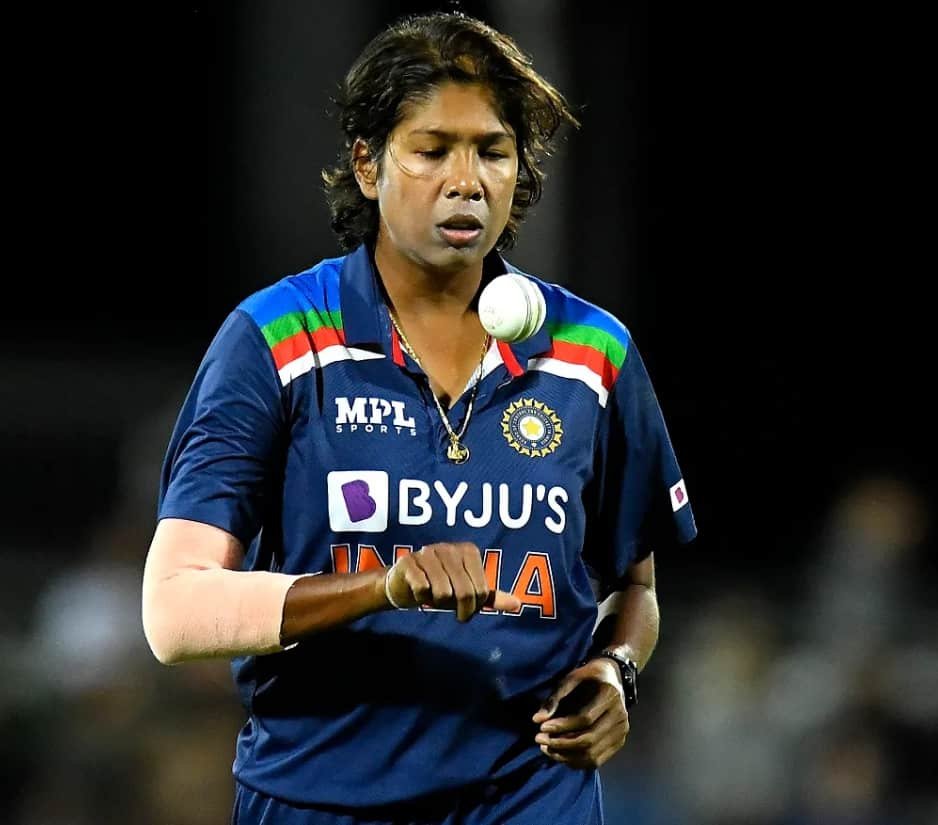
Jhulan Goswami: The 255-Wicket Mountain Nobody’s Climbed Yet
From a small town in West Bengal to becoming the most feared bowler in women’s ODI cricket — Jhulan’s journey reads like a film script.
She made her debut in 2002 when women’s cricket was still fighting for recognition, and retired twenty years later as an icon.
Those 255 wickets from 204 matches aren’t just numbers; they represent consistency that’s rare in any sport.
What made Jhulan special wasn’t just her height or pace.
It was her ability to swing the ball late, hit the perfect length, and bowl those unplayable deliveries when her team needed them most.
Her economy rate of 3.37 across such a long career shows remarkable control.
Many bowlers can take wickets; few can do it while keeping the runs down match after match.
Shabnim Ismail: Raw Pace That Changed Games
When Ismail runs in to bowl, batters know they’re in for a battle.
She’s clocked speeds that would make many male fast bowlers envious, and she’s used that pace to claim 191 wickets in just 127 matches.
That’s a wicket every 4.2 balls per match — a strike rate that speaks volumes.
Her best figures of 6/10 came against a quality batting lineup, proving that pace alone isn’t enough.
She combined it with smart variations and the ability to read conditions.
South African cricket found a genuine match-winner in Ismail, someone who could turn a game in three overs of hostile bowling.
Marizanne Kapp: The Thinking Bowler’s Blueprint
Kapp doesn’t rely on express pace.
Instead, she’s built her 181 wickets on understanding batters, using the seam intelligently, and bowling to her field.
Her economy of 3.84 might look ordinary, but when you’re taking wickets regularly while keeping things tight, that’s exactly what teams need.
She’s still playing, which means this tally will grow.
Since her debut in 2009, she’s been South Africa’s go-to bowler in pressure situations.
The fact that she can also bat makes her invaluable — but make no mistake, her bowling alone would’ve earned her a spot in any team.
India’s Pace-Spin Combination: Goswami and Sharma
Looking at most wickets in women’s ODI for India, the contrast is striking.
Goswami used pace and bounce, while Deepti Sharma relies on flight and turn.
Yet both have been equally effective for India.
Deepti’s 166 wickets in 124 matches show she’s on a trajectory that could see her challenge higher positions on this list.
What’s impressive about Deepti is her consistency.
She doesn’t get many wickets on flat pitches where the ball doesn’t turn, but give her any assistance, and she’ll run through sides.
Her 6/20 came on a turning track where she mixed her pace brilliantly, never letting batters settle.
The All-Rounders Who Bowl: Perry, Sciver-Brunt, and Taylor
Three names on this list – Ellyse Perry, Nat Sciver-Brunt, and Stafanie Taylor — are better known for their batting.
Yet they’ve all crossed 150 ODI wickets, which is extraordinary when you consider they’re also frontline batters.
Perry’s 7/22 remains one of the best bowling performances in women’s ODI cricket.
She swung the ball both ways that day, hitting perfect lengths and making experienced batters look clueless.
For someone who’s also scored thousands of runs, those 166 wickets show remarkable versatility.
Sciver-Brunt’s medium pace might not look threatening on paper, but she picks up wickets because she understands match situations.
When England needs a breakthrough, she’s often the one who provides it — 170 wickets prove that’s not luck.
Tactical Insight: Why Fast Bowlers Dominate This List
Look at the top 10 players with the most wickets in women’s ODI, and you’ll notice something: seven are either fast bowlers or medium-pacers.
Only three are spinners. This wasn’t always the case.
Twenty years ago, spinners dominated women’s cricket because pitches were slower and games were lower-scoring.
The shift happened as grounds improved, white balls started behaving differently, and batters became more aggressive.
Fast bowlers who could swing the new ball and then bowl yorkers at the death became invaluable.
That’s why someone like Cathryn Fitzpatrick, with her old-school pace, took 180 wickets despite playing in an era when ODI cricket was less frequent.
Most Wickets Across All Formats: The Complete Picture
When discussing most wickets in women’s cricket all format, these ODI specialists also feature prominently in T20Is and Tests.
Jhulan Goswami’s overall wicket tally across formats stands well above 300.
Similarly, when looking at most wickets in women’s T20 cricket, names like Ismail and Perry appear again, though the rankings shift slightly.
The difference is in approach. T20 cricket rewards attacking bowling even if it means going for a few runs.
ODI cricket, especially in the middle overs, requires control and patience.
The bowlers on this list mastered both arts, which is why they stayed relevant across formats.
Players to Watch: Who’s Chasing These Records?
As of 2022 and beyond, several bowlers are steadily climbing this list.
Renuka Singh from India has shown she can swing the ball dangerously in power plays.
Sophie Ecclestone from England is taking wickets at a rate that suggests she’ll challenge these numbers if she stays fit.
What’s changed since players with most wickets in women’s ODI 2022 were first ranked is the frequency of matches.
Teams now play more cricket, which means records will be broken faster.
Deepti Sharma, still in her prime, could realistically reach 200 wickets within a few years.
Expert Insight: What Sets These Bowlers Apart
Talking to former players and coaches, one thing becomes clear: the bowlers on this list shared an ability to handle pressure.
Taking wickets in bilateral series is one thing; doing it in World Cups when everything’s on the line is different.
Anisa Mohammed’s 7/14 didn’t come in a random game — it came when West Indies needed her to stand up.
That mental strength, combined with skill, separates good bowlers from great ones.
It’s why these ten names aren’t just statistically impressive; they’re match-winners who delivered when it mattered most.
Frequently Asked Questions
- Who has the most wickets in women’s ODI cricket?
Jhulan Goswami leads with 255 wickets taken across 204 matches between 2002 and 2022, a record that still stands unchallenged.
- Which country has the most bowlers in the top 10 wicket-takers list?
South Africa, the West Indies, and India each have two bowlers in the top 10, showing strong bowling depth across these nations.
- Has any bowler taken 10 wickets in a women’s ODI match?
No bowler has taken all 10 wickets in a women’s ODI. The best figures belong to Anisa Mohammed with 7/14.
- Who is the fastest to reach 100 wickets in women’s ODI cricket?
Shabnim Ismail reached 100 wickets in approximately 63 matches, making her one of the quickest to the milestone due to her high strike rate.
- Are any current players likely to break Jhulan Goswami’s record?
Deepti Sharma and Marizanne Kapp are still playing and adding to their tallies, though reaching 255 wickets would require several more years of consistent performance.
Final Thoughts: Excellence That Inspires the Next Generation
Jhulan Goswami’s 255 wickets stand as the benchmark in women’s ODI cricket, but what’s equally impressive is the quality throughout this list.
From Shabnim Ismail’s express pace to Deepti Sharma’s clever spin, these bowlers have defined what excellence looks like.
They’ve played through different eras, adapted to changing conditions, and consistently delivered when their teams needed them.
As women’s cricket grows and more matches are played, these records will eventually be challenged.
But the standard these bowlers set — combining skill, consistency, and mental toughness — will remain the measure by which future greats are judged.
The question isn’t just who’ll take the most wickets, but who’ll do it with the same impact these legends brought to every match they played.
Also Check:
About the Author