Who Decides Man of the Match in Cricket?
Every women’s cricket match crowns one standout performer. The batter who changed the game.
The bowler who demolished the lineup. The fielder who pulled off the impossible.
But who decides Man of the Match in cricket, especially in the women’s game?
The answer shifts based on tournament type. The Women’s T20 World Cup works differently from bilateral series. The WPL uses its own system. Authority changes. Methods vary.
Some selections feel obvious. Smriti Mandhana’s match-winning century.
Sophie Ecclestone’s game-breaking spell. Other times, fans immediately question the choice when multiple players delivered.
Who Decides Man of the Match in Cricket?
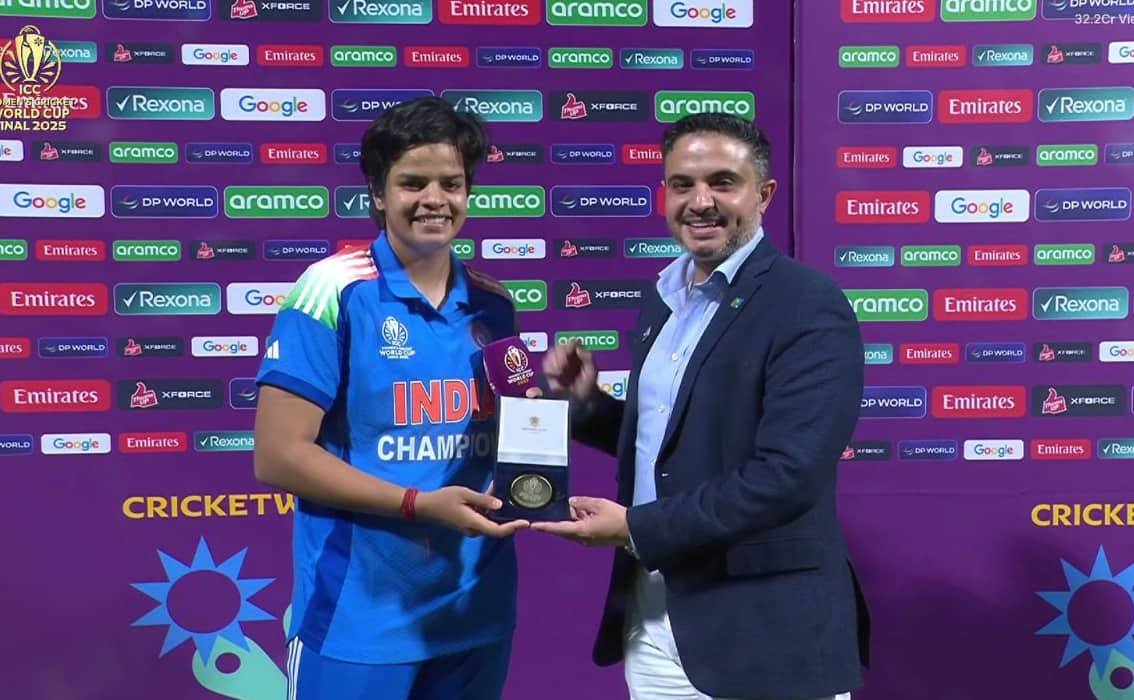
This article breaks down the complete selection process in women’s cricket, who holds decision-making power, what criteria matter, and why controversy happens.
Who Controls Man of the Match Selection in Women’s Cricket?
Women’s cricket follows similar selection structures to men’s cricket, with some competitions adding unique approaches.
ICC Women’s Tournaments
The Women’s T20 World Cup, Women’s ODI World Cup, and Women’s Champions Trophy use expert panels. These committees include former international players with extensive experience in women’s cricket.
Panel members might include legends like Charlotte Edwards, Lisa Sthalekar, or Anjum Chopra. They watch matches comprehensively, understand tactics, and recognize match-winning contributions.
Post-match discussions happen where panel members debate performances. When consensus emerges naturally, selection proceeds quickly. Disagreements lead to voting.
This expert-led approach prioritizes cricket knowledge and ensures women’s game specialists make decisions.
Bilateral Women’s Series
When two countries face each other outside ICC events, broadcasters typically control the award. The network holding rights sponsors Man of the Match and makes final selections.
They consult commentary teams featuring former women’s cricketers. Analysts like Isa Guha, Mel Jones, or Katey Martin provide expert perspectives. Their collective judgment informs broadcaster decisions.
This model dominates bilateral women’s cricket globally.
Women’s Domestic Leagues
The Women’s Premier League in India pioneered mixing expert judgment with fan engagement. The Women’s Big Bash League in Australia follows similar approaches.
These leagues blend expert panels with fan voting through mobile apps. Implementation varies. Some split the authority 50-50. Others weigh expert judgment at 70% and fan votes at 30%.
The Hundred women’s competition in England also includes fan participation alongside expert assessment.
This hybrid approach serves dual purposes. Experts maintain credibility. Fan voting increases engagement and grows the women’s game’s visibility.
Match Officials as Advisors
Umpires and match referees contribute insights without direct voting power in most systems.
Their ground-level perspective adds value because they see effort and tactical adjustments that spectators miss.
Women’s cricket match officials understand the game’s nuances. Their input helps contextualize performances, especially in close selection decisions.
What Criteria Determine Man of the Match in Women’s Cricket?
Evaluation frameworks remain consistent across selection systems. These factors guide decisions regardless of who holds authority.
Match-Winning Impact
The fundamental question: did this performance determine who won?
Nat Sciver-Brunt scored 60 not out in a successful chase of 155. Ellyse Perry is taking 4/15 to defend 140. Harmanpreet Kaur smashed 52 off 20 balls to turn an impossible chase into victory.
Performances directly creating results outrank impressive statistics achieved when outcomes were already clear.
Pressure Performance Value
Context matters enormously. Scoring 75 in the first innings while posting 180 differs from scoring 48 in the 18th over chasing 165.
Taking 3 wickets defending 125 carries more weight than taking 4 wickets defending 200. Match situations determine contribution value.
Sophie Devine’s death-over batting or Marizanne Kapp’s pressure bowling exemplify performances that earn recognition through clutch execution.
All-Round Excellence
Players contributing with bat and ball create automatic contention. Deepti Sharma is scoring 40 plus, taking 3 wickets. Ashleigh Gardner is making 35, then claiming 2 crucial wickets.
Even modest dual contributions can win when they come at decisive moments. All-round impact demonstrates complete match involvement.
Bowling Economy Importance
In women’s T20 cricket, particularly, economy rates matter as much as wickets. A spell of 2/18 in four overs might beat 3/28, depending on game flow.
Sophie Ecclestone is building pressure through dot balls. Renuka Singh is maintaining tight lines in powerplays. The economy under six runs per over during death phases shifts momentum without necessarily taking wickets.
Game-Changing Fielding
Outstanding fielding can tip close decisions. Shafali Verma’s brilliant catches. Alyssa Healy’s lightning-fast stumpings. Richa Ghosh’s crucial run-outs.
When batting or bowling contributions are similar between candidates, exceptional fielding becomes decisive.
Format Differences in Women’s Cricket Selection
Different formats emphasize different skills. Criteria adjust accordingly.
Women’s Test Cricket
Limited women’s Test cricket means fewer opportunities for these awards. When Tests occur, selectors look for sustained excellence across multiple days.
Meg Lanning scored centuries in both innings. Jhulan Goswami is taking wickets across different conditions. Consistency over the match duration matters more than explosive moments.
Women’s ODI Cricket
50-over matches create varied contribution opportunities. Building platforms. Middle-order finishing. New-ball breakthroughs. Death bowling.
Winners typically influenced second-innings outcomes. Alyssa Healy’s century-setting massive targets. Shabnim Ismail’s spell-breaking, dangerous chases.
The 2022 Women’s ODI World Cup showcased how match-winners across different phases earned recognition.
Women’s T20 Cricket
Short format dominance in women’s cricket means most Man of the Match awards come from T20s. Strike rates above 140 and economy rates below six carry significant weight.
Beth Mooney is striking at 150 for four overs. Radha Yadav is bowling economical spells under pressure. Game-changing bursts in minimal time win awards.
The WPL and WBBL particularly reward explosive impact given the format’s brevity.
Why Winning Teams Usually Get Recognition?
Approximately 90% of awards go to winning team members in women’s cricket, too. Victory validates impact.
The Performance-Result Connection
Winning proves contributions mattered. A brilliant 4-wicket haul in defeat couldn’t secure victory. A match-defining 80 in a lost chase didn’t complete the job.
Result-oriented thinking favors players whose performances actually determine outcomes.
Exceptional Losers Who Won Awards
Rare circumstances allow losing players to win. The performance must completely dominate the discussion.
Harmanpreet Kaur has won while losing after extraordinary knocks. Megan Schutt received recognition despite narrow defeats after exceptional bowling figures.
These cases require truly exceptional individual displays that transcended team failure.
Why Selections Generate Debate in Women’s Cricket?
Subjective decisions guarantee disagreement. Several factors repeatedly fuel controversy.
Multiple Standout Performers
Close matches produce several heroes. Smriti Mandhana is laying the foundations. Jemimah Rodrigues is finishing under pressure. Pooja Vastrakar breaking partnerships.
Choosing one overlooks others. Fans backing different players find justification for their preferences.
Statistics Without Context
Numbers lack situational detail. A strike rate of 125 might represent crucial acceleration or comfortable scoring depending on circumstances.
Selectors weighing context clash with fans examining only final scorecard figures.
Growing Commercial Interests
As women’s cricket grows commercially, broadcast decisions face increased scrutiny. Star players are driving viewership. Controversial picks are generating engagement.
The WPL’s massive growth means selections carry more commercial weight than ever before.
Fan Voting Dynamics
Leagues, including fan voting, introduce popularity factors. Players with larger social followings sometimes win despite modest performances.
This dynamic exists in women’s cricket, too, though the game’s growth means fanbase sizes are still developing compared to men’s cricket.
Women’s Cricket’s Unique Selection Considerations
The women’s game has some distinct aspects affecting Man of the Match decisions.
Growing Media Coverage
Expanded broadcast coverage means more expert eyes on women’s cricket. Commentary teams now regularly include multiple former internationals providing sophisticated analysis.
This professionalization improved selection quality and accountability.
League Development Impact
The WPL, WBBL, and The Hundred women’s competition created new selection frameworks. These high-profile leagues brought systematic approaches to women’s cricket awards.
Prize money attached to Man of the Match awards in these leagues adds significance beyond recognition alone.
Fan Engagement Focus
Growing the women’s game means leagues prioritize fan engagement. Including voting mechanisms serves this goal while maintaining expert oversight.
This balance differs from men’s cricket, where commercial saturation is already established.
Recognition for Emerging Players
Women’s cricket selections sometimes recognize emerging talent more readily.
A breakthrough performance by a young player like Yastika Bhatia or Phoebe Litchfield might earn recognition partly to encourage development.
This developmental aspect appears more prominently than in men’s cricket.
Notable Man of the Match Moments in Women’s Cricket
Several iconic selections defined tournaments and series.
World Cup Defining Performances
- Natalie Sciver’s 148 not out in the 2022 ODI World Cup semi-final earned Man of the Match despite England losing. The performance was too extraordinary to ignore.
- Alyssa Healy’s 170 in the 2022 final won her the award for a World Cup-winning knock.
WPL Breakthrough Selections
The inaugural WPL in 2023 showcased varied Man of the Match winners. Meg Lanning, Sophie Ecclestone, and Hayley Matthews all earned recognition for different contribution types.
Emerging Indian players like Yastika Bhatia and Amanjot Kaur also received awards for breakthrough performances.
WBBL Consistency
The Women’s Big Bash League has shown consistent selection patterns rewarding match-winners. Ellyse Perry, Beth Mooney, and Sophie Devine frequently earn recognition for decisive contributions.
FAQs
- Who decides the Man of the Match in ICC women’s tournaments?
ICC women’s events like the T20 World Cup and ODI World Cup use expert panels comprising former international women’s cricketers. Panel members watch matches comprehensively and discuss performances post-match. If consensus emerges naturally, selection proceeds quickly. Disagreements lead to voting among panel members.
- What criteria matter most for Man of the Match in women’s cricket?
Match impact ranks highest. Selectors ask whether the result would change without this player’s contribution. Performances directly determining winners get priority over impressive statistics from non-decisive phases. Pressure context, timing, and all-round impact also influence decisions significantly.
- How does the WPL decide Man of the Match winners?
The Women’s Premier League uses a hybrid system combining expert panel judgment with fan voting through mobile apps. The exact weighting varies, but typically, expert assessment carries the majority weight while fan votes contribute a percentage. This balances credibility with engagement as the league grows the women’s game.
- Do women’s cricket matches use the same selection process as men’s cricket?
The fundamental frameworks are similar, but women’s cricket has some distinct approaches. Growing commercial coverage means increased scrutiny. Developmental considerations sometimes factor into recognizing emerging talent. Fan engagement receives more emphasis as leagues work to expand the game’s audience and visibility.
- Can fielding alone win Man of the Match in women’s cricket?
Extremely rare. Fielding excellence can tip close decisions when batting or bowling contributions are similar between candidates. A player would need multiple game-changing fielding moments like spectacular catches, crucial run-outs, and significant boundary saves. Even then, candidates with strong batting or bowling would likely prevail.
- Why do bilateral women’s series give broadcasters selection authority?
Broadcasting networks purchasing rights sponsor Man of the Match awards, which include selection authority. They consult expert commentary teams featuring former women’s international players who watched comprehensively and analyzed tactics throughout. This model dominates women’s bilateral cricket outside ICC tournament control.
Conclusion:
Who decides Man of the Match in cricket for the women’s game? Authority depends on the competition type.
ICC women’s tournaments use expert panels featuring former international players.
Bilateral series give broadcasters control over who consults commentary teams. Leagues like the WPL and WBBL blend expert judgment with fan voting.
How is Man of the Match decided? By evaluating match impact, pressure performance, all-round contributions, and result influence.
The key question remains whether this performance determined who won.
Subjectivity persists despite systematic criteria. Multiple worthy candidates ensure debates.
Different observers value different contributions. No formula automatically converts performances into recognition.
As women’s cricket grows, these selections gain importance. Prize money increases.
Media coverage expands. Fan engagement deepens. The debates reflect the game’s rising profile and the passion it generates.
That growing conversation enriches women’s cricket culture and signals its expanding reach.
Also Check: