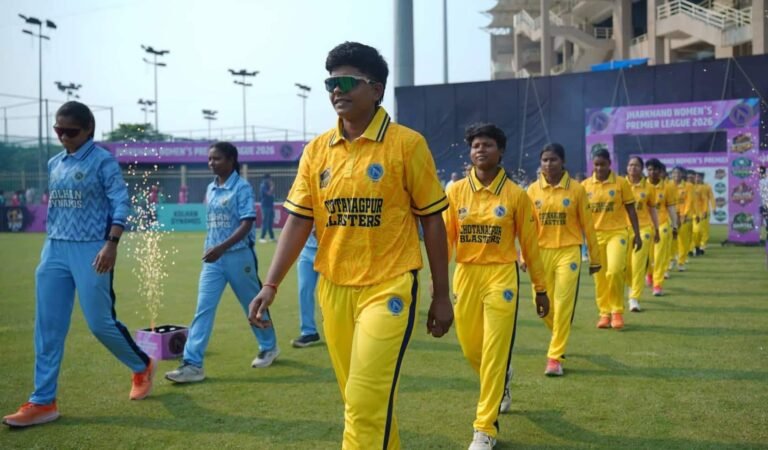
The Women’s Premier League changed everything. Before 2023, teenage girls didn’t get this kind of platform.
They played domestic cricket, waited for their chance, and hoped someone noticed.
Now? Sixteen-year-olds are signing contracts worth lakhs, sharing dressing rooms with World Cup winners, and facing international bowlers who’ve been playing longer than they’ve been alive.
Three seasons in, the WPL has already produced a remarkable list of teenage debutants.
These aren’t just token selections.
These are players who’ve earned their spots through domestic performances that forced selectors to ignore their birth certificates.
When a fifteen-year-old averages sixty in senior T20 cricket, age becomes irrelevant.
The five youngest players in WPL history were all born between 2007 and 2009. They’re still in their teens, but they’re already professionals.
Youngest Women Players in WPL History
Who Holds the Record for Youngest Selection?
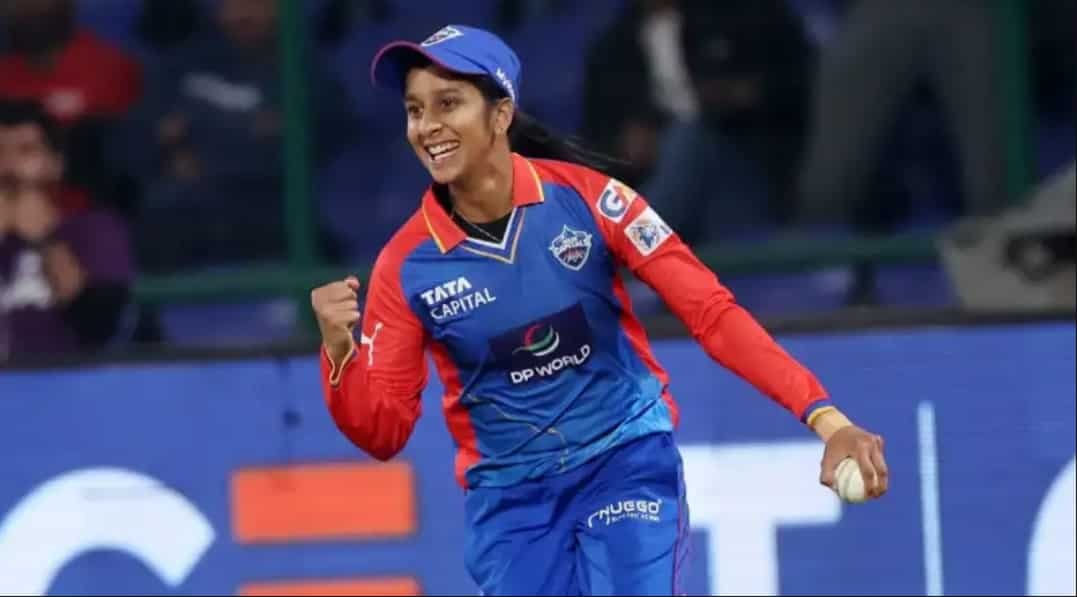
Deeya Yadav currently holds the distinction of being the youngest player ever selected in a WPL auction. Born on October 9, 2009, she was just sixteen when Delhi Capitals bought her for ₹10 lakh in the 2026 auction. That’s younger than anyone who’d previously gone under the hammer.
What made Delhi bid for someone so young? Her numbers in the 2025 Senior Women’s T20 Trophy told the story.
She scored 298 runs at an average of nearly sixty. Not in school cricket. Not in age-group tournaments. In senior domestic T20s, against women who’d been playing professional cricket for years.
That kind of dominance at fifteen doesn’t happen often. Most teenagers struggle to make contact with experienced bowlers.
Yadav was putting them in different parts of the ground. Scouts watched her technique—compact, balanced, no wild heaves.
They saw her temperament—calm between deliveries, focused during pressure moments. Delhi didn’t buy potential. They bought a player who could contribute immediately.
Being the youngest comes with pressure. Every innings gets analyzed. Every failure gets magnified.
The “youngest ever” tag follows you everywhere. But if she handles it, Yadav could play professional cricket for the next fifteen years.
The Youngest to Actually Play
Getting selected is one thing. Actually walking onto the field is another. Franchises often sign young players for the future, then leave them on the bench for a season or two.
Gunalan Kamalini didn’t wait. Mumbai Indians signed her for WPL 2025, and she made her debut at approximately sixteen years and seven months old – the youngest confirmed WPL debutant in history.
Born on July 20, 2008, she was still in school when she played her first professional match.
Think about that transition. One week you’re playing school cricket, the next you’re in a professional dressing room with internationals. The bowling speeds increase.
The fielding standards jump. The crowds multiply. Kamalini managed it well enough that Mumbai retained her before WPL 2026.
Retention matters. Franchises don’t keep players out of sentiment. They retain players they believe will contribute for years.
Mumbai sees Kamalini as part of their long-term plans. At seventeen, she could play for them for a decade.
Fast Bowlers Who Started Early
Fast bowling usually requires physical maturity. Most quicks don’t peak until their mid-twenties, when their bodies are fully developed, and they’ve learned to use their strength efficiently.
Happy Kumari and Shabnam Shakil didn’t wait that long to start their professional careers.
Shakil made her mark first. Born on June 17, 2007, she was sixteen when Gujarat Giants signed her for WPL 2024.
Her debut performance against UP Warriorz became the standard for what teenage bowling can achieve in the WPL: 3 wickets for 11 runs.
That’s not just good for a sixteen-year-old. That’s match-winning bowling at any age.
She’d already proven herself in the Under-19 World Cup, where India won the title. Youth World Cups often predict international careers.
The best young players compete there. Shakil was one of the best.
Kumari, born on February 3, 2007, secured her Gujarat Giants contract for WPL 2026 as an eighteen-year-old fast bowler.
She’s gone through the Under-19 system, faced quality batters, and developed her skills against serious competition.
At eighteen, most bowlers are still figuring out their actions. She’s already a professional.
| Player Name | Birth Year | WPL Team | Debut Season | Role |
|---|---|---|---|---|
| Deeya Yadav | 2009 | Delhi Capitals | 2026 (selected) | Batter |
| Gunalan Kamalini | 2008 | Mumbai Indians | 2025 | All-rounder |
| Shabnam Shakil | 2007 | Gujarat Giants | 2024 | Fast Bowler |
| Happy Kumari | 2007 | Gujarat Giants | 2026 | Fast Bowler |
| Triveni Vasistha | 2007 | Mumbai Indians | 2026 | Left-arm Spinner |
Spin Bowling at Eighteen
- Triveni Vasistha made her WPL debut for Mumbai Indians against Delhi Capitals on January 10, 2026. Born on May 30, 2007, she was eighteen—one of the youngest debutants in that season.
- She’s a left-arm orthodox spinner, which makes her valuable in T20 cricket. Left-armers create different angles. The ball spins away from right-handers, producing edges and false shots. Batters who’ve faced right-arm spinners their whole innings suddenly have to adjust their game.
- Getting a debut at eighteen isn’t easy. Franchises have limited spots. They prefer experienced players who won’t freeze under pressure. Vasistha earned enough trust in training and practice matches that Mumbai handed her the ball in a competitive game. That’s a significant vote of confidence.
What the WPL Has Changed
- Before the WPL, young Indian women cricketers had one path: domestic cricket, state teams, maybe a national camp if you were exceptional. Progress was slow. Exposure to international standards was limited.
- The WPL compressed that timeline. Now, teenagers train with international coaches. They bat in nets against overseas bowlers who’ve played World Cups. They learn field placements from captains who’ve led their countries. Niki Prasad, another young player in the system, represents this new generation of cricketers who are getting world-class development from their teenage years.
- This changes everything. A seventeen-year-old batting alongside Harmanpreet Kaur learns more in one season than she would in three years of just domestic cricket. A sixteen-year-old fast bowler working with a professional pace coach develops faster than she ever could without that guidance.
- The accelerated development means these players could represent India much earlier than previous generations. If they continue improving, they could be wearing the blue jersey by twenty or twenty-one. That gives them potentially fifteen years of international cricket.
Expert Insight: Why Age Records Matter
- Age records aren’t just trivia. They indicate how quickly the pathway to professional cricket is opening up for women in India.
- When Kamalini debuted at sixteen years and seven months, she set a benchmark. Future players will be compared to those of that age. Franchises now know that sixteen isn’t too young if the player is good enough. That changes how they evaluate teenage cricketers in domestic tournaments.
- It also creates pressure. Being the youngest means constant media attention. Every performance gets scrutinized. Comparisons start immediately. Some players thrive on that pressure. Others struggle with it.
- The successful ones develop mental toughness early. They learn to block out noise, focus on their game, and trust their preparation. That mental skill becomes as important as their technical ability.
How They Compare to Previous Generations
- Players who debuted in their early twenties used to be considered young. Now, eighteen is the new normal for exceptional talent. The WPL has shifted expectations.
- Previous generations didn’t have this opportunity.
- They played domestic cricket for years before getting any real exposure to professional standards. By the time they reached higher levels, they were already in their mid-twenties.
- These five teenagers are starting their professional careers before they’re old enough to vote.
- If they stay healthy and maintain form, they’ll have more professional matches played by age twenty-five than many retired cricketers had in their entire careers.
- That kind of experience is invaluable.
- Playing fifty or sixty professional T20s before you’re twenty-one teaches you match awareness that can’t be coached. You learn how to handle pressure situations, how to adapt to different pitches, and how to read opposition tactics.
Frequently Asked Questions
- Who is the youngest player to be selected in WPL?
Deeya Yadav, born in 2009, became the youngest player selected when Delhi Capitals bought her in the 2026 auction at age sixteen.
- Who is the youngest WPL debutant?
Gunalan Kamalini holds the record for the youngest confirmed WPL debut at approximately sixteen years and seven months old for the Mumbai Indians in 2025.
- Has any player under sixteen played in WPL?
No. All WPL participants have been at least sixteen years old, with Kamalini and Shakil debuting at that age.
- Why are so many young players getting selected now?
The WPL provides a professional platform that didn’t exist before 2023. Strong domestic performances by teenagers now lead directly to professional contracts.
- Can these young players handle the pressure?
The evidence suggests yes. Players like Shabnam Shakil have delivered match-winning performances despite their age, proving that talent and preparation matter more than birth year.
What Comes Next?
These five players have proven that age doesn’t determine ability.
They’ve earned their places through domestic performances that couldn’t be ignored.
They’ve handled professional cricket better than many expected.
The next step is consistency. One good season isn’t enough.
They need to perform year after year, adapting as opposition teams learn their games, developing new skills as their bodies mature.
The challenge for teenage professionals isn’t the debut—it’s what comes after.
But the foundation is there. They’re training with the best coaches.
They’re learning from international players. They’re getting match experience that will serve them for years.
If they continue on this path, the youngest women players in WPL history could become the stars of Indian cricket’s next decade.
Also Check:
About the Author