The BCCI announces its 32nd lifetime achievement honor on March 15, 2026.
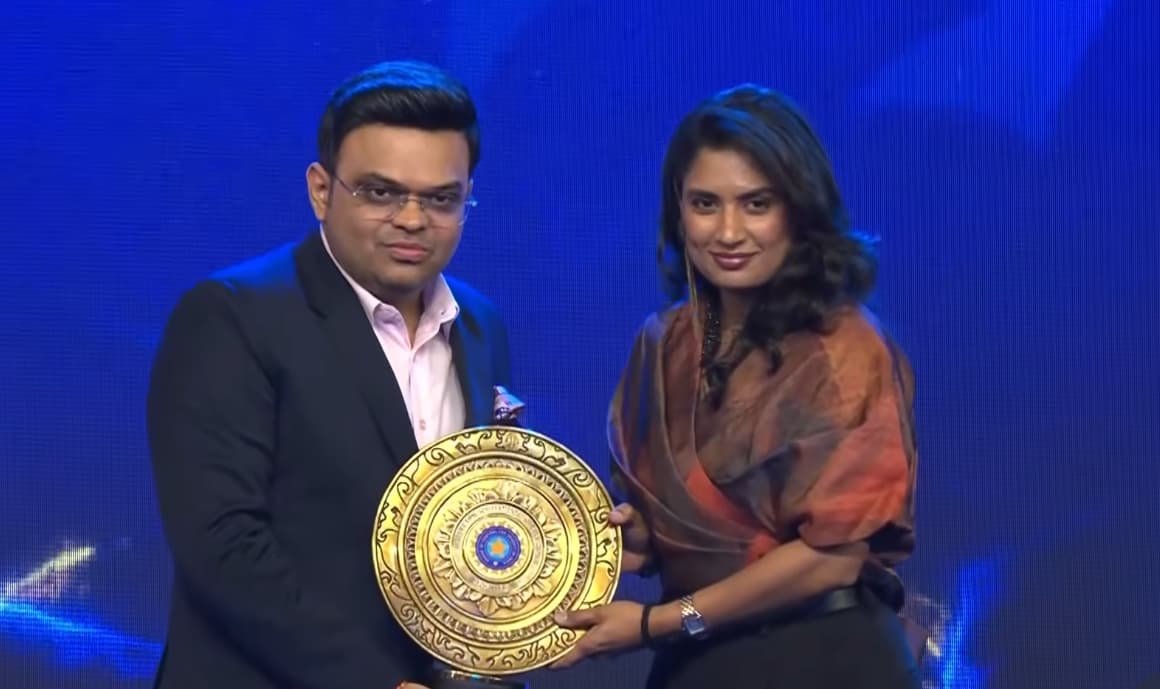
Rahul Dravid receives the CK Nayudu Award at the NAMAN ceremony in New Delhi.
This adds another name to the BCCI Lifetime Achievement Award winners list that started in 1994.
The award has recognized 32 legends so far. All of them are men.
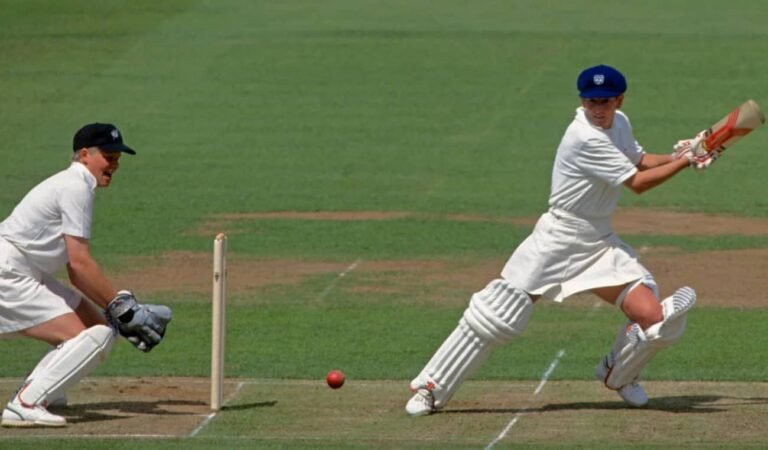
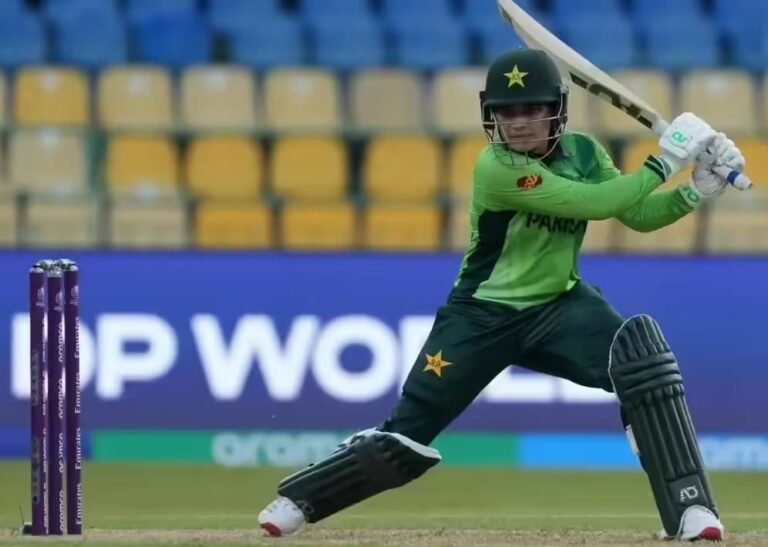
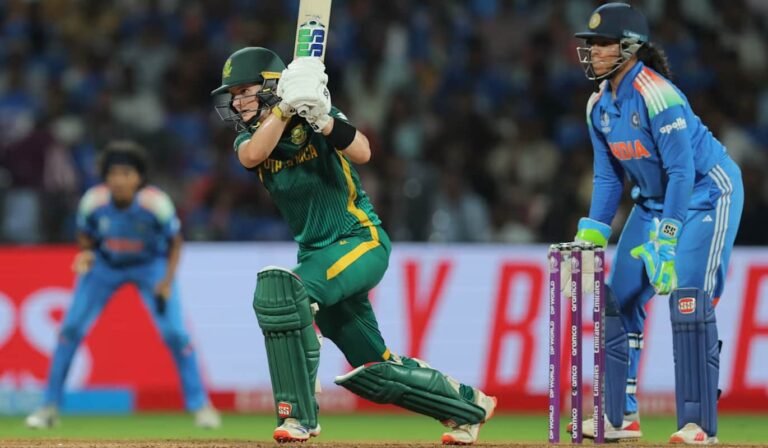
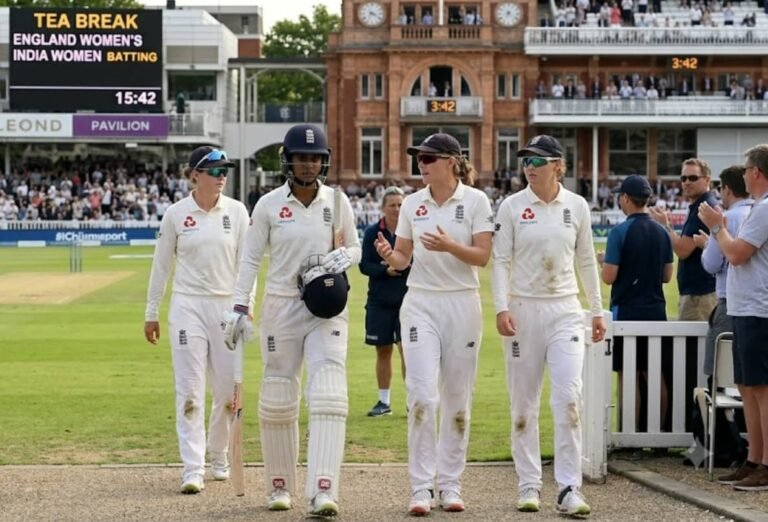
Women cricketers don’t appear on this list yet, despite India’s recent ODI World Cup triumph and decades of women’s cricket history.
The BCCI runs separate awards for women under different categories at NAMAN.
BCCI Lifetime Achievement Award Winners List
Understanding the BCCI Awards Structure
The BCCI created the lifetime achievement award in 1994. They named it for CK Nayudu, India’s first Test captain.
The award honors complete cricket careers, not just playing statistics.
Most recipients retired 10-20 years before selection. The gap lets the board assess total impact.
Coaching roles, administrative work, and domestic cricket development count alongside playing achievements.
The NAMAN ceremony includes multiple award categories. The Polly Umrigar Award goes to the year’s best men’s international cricketer.
Women get recognized through separate categories at the same event. Shubman Gill wins the Polly Umrigar this year.
Women’s Cricket Recognition at BCCI Awards
Women cricketers receive honors through different BCCI award categories.
The board presents awards for the best women’s international cricketer annually. Domestic women’s cricket gets recognized, too.
The 2026 ceremony holds special significance for women’s cricket.
India’s women won their first ODI World Cup in late 2025.
The BCCI plans to honor that World Cup-winning team at the March 15 event.
Jay Shah confirmed they’re celebrating all recent ICC tournament wins.
The women’s ODI World Cup team joins the men’s T20 World Cup 2026 champions and Under-19 boys at the ceremony.
A separate lifetime achievement award for women’s cricket doesn’t exist yet.
The BCCI could create one as women’s cricket grows. India has produced legends who’ve shaped the women’s game globally.
Complete BCCI Lifetime Achievement Award Winners List Till 2026
The men’s list spans Indian cricket’s evolution. Early winners built the foundation when India struggled internationally. Recent honorees represent cricket dominance.
| Year | Winner | Role | Career Span | Test Appearances | Major Achievement | Impact on Cricket |
|---|---|---|---|---|---|---|
| 1994 | Lala Amarnath | All-rounder | 1933-1952 | 24 | First Test century for India | Pioneer of Indian cricket |
| 1995 | Syed Mushtaq Ali | Batsman | 1934-1952 | 11 | First overseas Test century | Opening batsman foundation |
| 1996 | Vijay Hazare | Batsman | 1946-1953 | 30 | 2,192 Test runs, 7 centuries | Post-independence leader |
| 1997 | KN Prabhu | Wicketkeeper | 1934-1936 | 5 | Early wicketkeeping work | Keeping role development |
| 1998 | Polly Umrigar | Batsman | 1948-1962 | 59 | 3,631 runs, 12 centuries | Top scorer until 1980s |
| 1999 | Hemu Adhikari | All-rounder | 1947-1959 | 21 | Captain and administrator | Cricket governance role |
| 2000 | Subhash Gupte | Bowler | 1951-1962 | 36 | 149 wickets, leg-spin master | Spin bowling tradition |
| 2001 | Mansoor Ali Khan Pataudi | Batsman | 1961-1975 | 46 | Youngest captain at 21 | Modern captaincy approach |
| 2002 | BB Nimbalkar | Batsman | 1940s-1950s | 0 | 443* in Ranji Trophy | Domestic cricket standard |
| 2003 | Chandu Borde | All-rounder | 1958-1970 | 55 | 3,061 runs, 52 wickets | All-round consistency |
| 2004 | Bishan Singh Bedi | Bowler | 1966-1979 | 67 | 266 wickets, left-arm spin | Spin quartet member |
| 2004 | Srinivas Venkataraghavan | Bowler | 1965-1983 | 57 | 156 wickets, off-spin | Spin quartet member |
| 2004 | EAS Prasanna | Bowler | 1962-1978 | 49 | 189 wickets, off-spin | Spin quartet member |
| 2004 | BS Chandrasekhar | Bowler | 1963-1979 | 58 | 242 wickets, leg-spin | Spin quartet member |
| 2007 | Nari Contractor | Batsman | 1955-1962 | 31 | Survived career-ending injury | Opening batsman courage |
| 2008 | Gundappa Viswanath | Batsman | 1969-1983 | 91 | 6,080 runs, elegant style | Batting technique model |
| 2009 | Mohinder Amarnath | All-rounder | 1969-1989 | 69 | 1983 World Cup final hero | World Cup breakthrough |
| 2010 | Salim Durani | All-rounder | 1960-1973 | 29 | Left-arm spin and hitting | Entertainment factor |
| 2011 | Ajit Wadekar | Batsman | 1966-1974 | 37 | 1971 England series win | Overseas victory captain |
| 2012 | Sunil Gavaskar | Batsman | 1971-1987 | 125 | First to 10,000 Test runs | Batting Records Foundation |
| 2013 | Kapil Dev | All-rounder | 1978-1994 | 131 | 1983 World Cup captain | Changed Indian cricket |
| 2014 | Dilip Vengsarkar | Batsman | 1976-1992 | 116 | Three Lord’s centuries | Overseas performance |
| 2015 | Syed Kirmani | Wicketkeeper | 1976-1986 | 88 | 198 Test dismissals | Wicketkeeping excellence |
| 2016 | Rajinder Goel | Bowler | 1957-1985 | 0 | 750+ first-class wickets | Domestic cricket legend |
| 2016 | Padmakar Shivalkar | Bowler | 1964-1987 | 0 | 589 first-class wickets | Mumbai cricket stalwart |
| 2017 | Pankaj Roy | Batsman | 1951-1961 | 43 | World record opening stand | Partnership building |
| 2018 | Anshuman Gaekwad | Batsman | 1974-1987 | 40 | Gritty opener, later coach | Coaching contribution |
| 2019 | Krishnamachari Srikkanth | Batsman | 1981-1992 | 43 | Aggressive 1983 opener | Attacking mindset shift |
| 2023 | Farokh Engineer | Wicketkeeper | 1961-1975 | 46 | Attacking keeper-batsman | Keeper batting evolution |
| 2023 | Ravi Shastri | All-rounder | 1981-1992 | 80 | 1985 World Championship | Later head coach’s success |
| 2024 | Sachin Tendulkar | Batsman | 1989-2013 | 200 | 15,921 runs, 51 centuries | Global cricket icon |
| 2026 | Rahul Dravid | Batsman | 1996-2012 | 164 | 13,288 runs plus coaching | Playing and coaching legacy |
Women’s Cricket Legends Who Deserve Recognition
India has produced women cricketers with careers worthy of lifetime achievement honors.
Jhulan Goswami retired as the highest wicket-taker in women’s ODI cricket. Mithali Raj scored more ODI runs than any other woman in history.
Diana Edulji captained India in the 1980s and later became the first woman on the BCCI’s Committee of Administrators.
Shantha Rangaswamy scored centuries when women’s cricket barely got media coverage.
The recent ODI World Cup win brings women’s cricket into sharper focus. Harmanpreet Kaur led that triumph.
Smriti Mandhana has become one of the world’s best batters. These achievements build on decades of work by earlier players.
A dedicated lifetime achievement award for women’s cricket would recognize this history.
The BCCI could create separate honors that acknowledge women’s contributions to Indian cricket.
My Take: The Gender Gap in Cricket Recognition
The lifetime achievement list shows cricket’s historical gender divide. All 32 winners are men.
This reflects how cricket developed in India, not the current reality.
Women’s Test cricket started in India in 1976. The men’s list includes players from 1933 onwards.
That 43-year gap matters when tracking recognition patterns.
But women’s cricket has grown dramatically. The BCCI now pays women cricketers central contracts.
The Women’s Premier League launched with major backing. TV coverage has improved significantly.
Future recognition needs to match this growth. Women who built the game during lean years deserve acknowledgment.
Current stars who’ve made women’s cricket mainstream deserve future honors.
The BCCI should consider parallel recognition structures. A woman’s lifetime achievement award would fill an obvious gap.
Player Type Distribution in Winners
Batsmen claim 15 of 32 awards on the men’s list. Cricket’s scoring emphasis shows here. Fans remember big hundreds more than tight bowling spells.
Bowlers account for 10 spots. Most came from spin bowling. India didn’t produce consistent world-class pace until recently.
The four spin quartet members honored in 2004 show spin’s historical dominance.
All-rounders grabbed 6 awards. These rare talents win matches with both skills. Kapil Dev’s 1983 World Cup performances define the category’s value.
Wicketkeepers sit at just 3 awards. The position destroys bodies faster than others. Most keepers can’t last long enough to build award-worthy careers.
Women’s cricket shows similar patterns. Batters like Mithali Raj and Smriti Mandhana get more recognition.
Bowlers like Jhulan Goswami and Shikha Pandey built careers through consistency. All-rounders like Harmanpreet Kaur and Deepti Sharma prove equally valuable.
The Missing Years: 2020, 2021, and 2022
The timeline shows gaps. No awards happened in 2020, 2021, or 2022. That’s three straight years without recognition.
COVID explains 2020. The pandemic shut down cricket ceremonies worldwide. But competitions resumed in 2021. The BCCI ran full IPL tournaments and international series. Yet no lifetime achievement awards happened.
Similar breaks appear elsewhere in the timeline. Nothing from 2004 to 2007. The gaps don’t follow clear patterns related to eligible retirees.
Women’s awards continued during these years at NAMAN ceremonies. The best women’s international cricketer award kept running. Only the lifetime achievement category paused.
Expert Insight: How Women’s Cricket Recognition Is Growing
The BCCI NAMAN awards 2026 list includes multiple women’s categories.
The best international cricketer honors go to the top performers. Domestic awards recognize Ranji Trophy equivalents for women.
The Women’s Premier League has changed recognition patterns.
Players now get significant financial rewards. Media coverage has jumped dramatically. Social media following has grown exponentially.
This creates a foundation for future lifetime achievement recognition.
As women’s cricket builds more history, lifetime awards become natural. The first recipients would likely include recently retired legends.
Jhulan Goswami retired in 2022. She took 355 ODI wickets across 20 years.
That’s a lifetime achievement-worthy career by any measure. Mithali Raj retired the same year with 10,868 ODI runs.
The BCCI could honor these pioneers soon. It would acknowledge women’s cricket history while building future tradition.
T20 Format’s Impact on Recognition
The award doesn’t specify format requirements. Early winners played only Tests.
ODIs started in the 1970s. T20 internationals began in 2005.
Recent male winners like Tendulkar and Dravid excelled across formats.
But awards still rest heavily on Test achievements. Tendulkar’s 15,921 Test runs carry more weight than ODI records.
Women’s cricket operates differently. Tests happen rarely for women. ODIs and T20s dominate the schedule.
Any woman’s lifetime achievement award would need to weigh limited-overs success heavily.
This creates interesting selection questions.
Does a women’s T20 World Cup triumph count as much as rare Test performances? The BCCI would need to clarify the criteria.
BCCI NAMAN Awards 2026 Complete Event Details
The March 15 ceremony covers multiple categories. Shubman Gill receives the Polly Umrigar Award for the best men’s international cricketer.
Women’s categories honor recent performers and the World Cup team.
Jay Shah announced plans to celebrate three World Cup wins. The men’s T20 World Cup 2026 champions attend.
The women’s ODI World Cup winners from late 2025 get special recognition. Under-19 boys who won in February receive awards too.
The ceremony invites all ICC tournament winners and coaches. Rahul Dravid appears as both a lifetime achievement recipient and T20 World Cup-winning coach.
Women’s cricket gets substantial stage time this year. The World Cup triumph ensures major attention. This could push conversations about dedicated lifetime awards.
Finding Official Award Records
Fans searching for a BCCI lifetime achievement award winners list PDF often struggle. The BCCI website maintains records but rarely offers downloadable files.
Cricket statistics platforms help more. ESPNcricinfo tracks award history comprehensively. Cricbuzz posts annual ceremony coverage. These sources compile reliable information.
Social media works best for immediate updates. The BCCI’s verified accounts post NAMAN ceremony highlights. Following official channels gives real-time accuracy on all award categories, including women’s recognition.
FAQs
- Q: Has any woman won the BCCI Lifetime Achievement Award?
No. All 32 winners from 1994 through 2026 are men. Women receive separate awards at NAMAN, but no dedicated lifetime achievement honor exists yet for women’s cricket.
- Q: Who are the top candidates for a women’s lifetime achievement award?
Jhulan Goswami (355 ODI wickets), Mithali Raj (10,868 ODI runs), Diana Edulji (captain and administrator), and Shantha Rangaswamy (pioneer) would be strong candidates.
- Q: Were any awards given in 2020 or 2021?
No. The BCCI skipped 2020, 2021, and 2022 for lifetime achievement. Srikkanth won in 2019, then nothing until Engineer and Shastri in 2023.
- Q: How does women’s cricket get recognized at the BCCI awards?
Women receive awards for best international cricketer, domestic performance, and emerging talent at the annual NAMAN ceremony. The 2026 event honors the ODI World Cup-winning team.
- Q: Where can I find the complete winners list as a PDF?
The BCCI doesn’t provide an official PDF. Cricket sites like ESPNcricinfo and Cricbuzz maintain updated lists after each ceremony for both men’s and women’s awards.
What Women’s Cricket Recognition Could Look Like?
The women’s game has built enough history for lifetime awards.
Careers spanning 15-20 years exist. World Cup performances have created legends.
Domestic cricket has produced consistent performers.
A woman’s lifetime achievement award could honor both playing and development work.
Early pioneers who built the game with minimal support deserve recognition.
Current stars who’ve made women’s cricket mainstream deserve future honors.
The BCCI has the platform through NAMAN to create this tradition.
Women’s cricket has earned equal recognition.
Also Check:
- Slowest 50 in Women’s T20I Cricket History
- Highest Successful Run Chases In WPL History
- Youngest Women Players in WPL History
- Highest Score In ICC Women’s T20 World Cup
About the Author