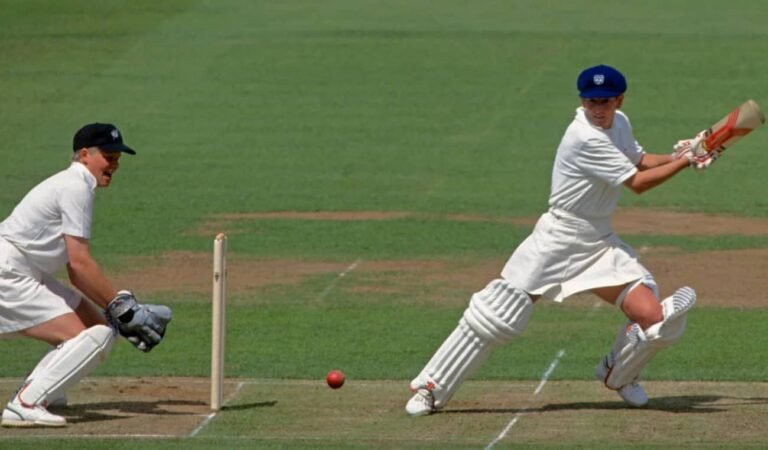
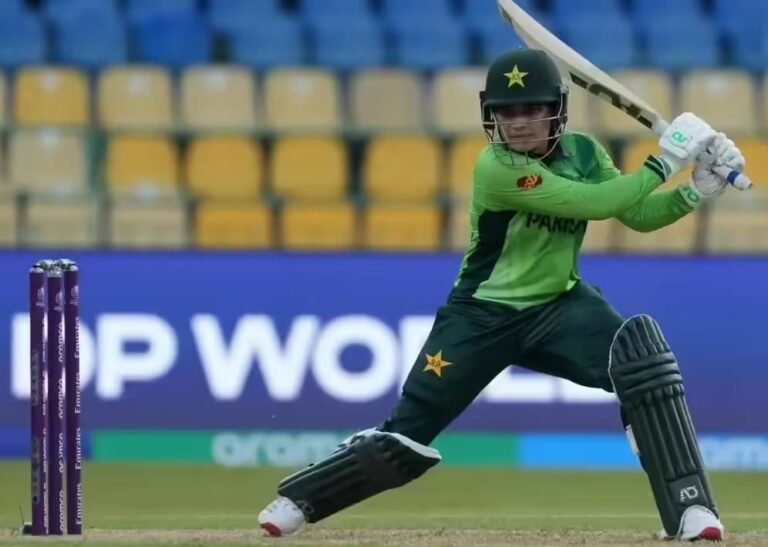
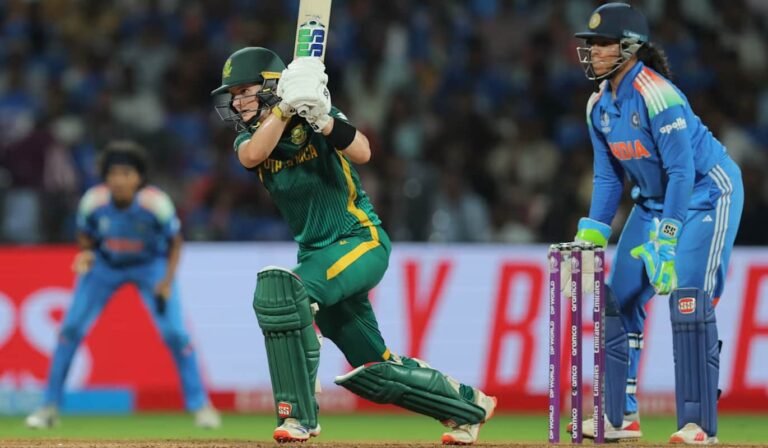
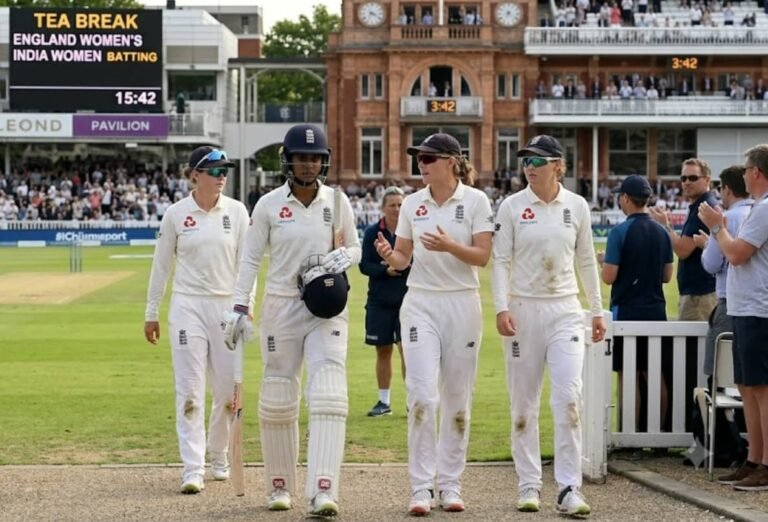
Keeping wickets isn’t what it used to be. A generation ago, you picked your keeper for safe hands and quick reflexes.
If they could chip in with 20 or 30 down the order, that was a bonus. Today, the job description has changed completely.
The world’s best keeper-batters don’t just stand behind the stumps—they open innings, anchor collapses, and finish games with the bat.
This transformation has created a rare breed of cricketer.
They crouch for 50 overs watching every delivery, dive for edges, execute stumpings in split seconds, then walk out to face express pace or sharp spin with the match on the line.
The physical and mental load is enormous, yet the top performers make it look routine.
Here’s a closer look at the wicket-keepers who’ve scored the most runs in women’s international cricket, and what their numbers reveal about the changing face of the game.
Wicket-Keepers With Most Runs in Women’s Cricket
How the Role Changed Over Time?
The shift happened gradually, then all at once. In the early 2000s, most teams treated wicket-keeping as a specialist position.
Batting contributions mattered, but they weren’t deal-breakers.
By the 2010s, Australia’s rise under Alyssa Healy and England’s success with Sarah Taylor proved that keepers could be primary match-winners.
Suddenly, selectors everywhere wanted keeper-batters who could do both jobs at the highest level.
The demands grew sharper in T20 cricket. Teams needed keepers who could open and attack the powerplay, or finish tight chases in the death overs.
ODI cricket followed the same pattern.
Test cricket, though still valuing patience, began rewarding keepers who could counterattack when the team needed quick runs.
This evolution didn’t just change team balance. It changed training routines, fitness standards, and career pathways for young players learning the craft.
Top Wicket-Keepers by International Runs: Career Numbers
The table below ranks the five leading run-scorers among wicket-keepers in women’s international cricket. These numbers cover all formats combined and reflect complete career statistics as of early 2026.
| Rank | Player | Country | Matches | Runs | Average | Centuries | Dismissals |
|---|---|---|---|---|---|---|---|
| 1 | Alyssa Healy | Australia | 269 | 6,472 | 30.38 | 7 | 275 |
| 2 | Sarah Taylor | England | 214 | 6,147 | 33.22 | 6 | 232 |
| 3 | Amy Jones | England | 206 | 3,923 | 24.52 | 0 | 231 |
| 4 | Trisha Chetty | South Africa | 216 | 3,871 | 23.64 | 0 | 184 |
| 5 | Nigar Sultana | Bangladesh | 121 | 2,634 | 27.43 | 1 | 130 |
Alyssa Healy: Redefining Aggression at the Top
Healy retired from ODIs in March 2026 with 6,472 runs from 269 matches, leaving the game as the highest run-scorer among wicket-keepers in women’s international cricket.
Her final ODI innings—a brutal 158 off 98 balls against India in Hobart—captured everything she brought to the role. Fearless intent, brutal power, and the ability to take any bowling attack apart when the mood struck.
Her 170 in the 2022 World Cup final against England remains the benchmark.
Not just because it’s the highest individual score in any World Cup final across men’s and women’s cricket, but because of when and how she played it.
Australia was under pressure early. Healy walked in, absorbed it, and then demolished England’s bowlers with a mix of textbook strokes and audacious improvisation.
Behind the stumps, she held the record for most T20I dismissals (128) and finished with 275 total dismissals across formats.
That combination of firepower with the bat and reliability with the gloves set a standard most keepers will struggle to match.
Most Runs in Women’s Cricket in ODI: Healy’s Limited-Overs Dominance
In the 50-over format specifically, Healy’s strike rate of over 105 redefined what opening batters could do in women’s ODI cricket.
She didn’t just set platforms—she built momentum that bowlers couldn’t claw back.
Her ability to punish length balls through mid-wicket and pierce gaps square of the wicket on both sides made her almost impossible to contain during her peak years.
Sarah Taylor: Elegance, Innovation, and Unmatched Hands
Taylor finished with 6,147 runs in 214 matches at an average of 33.22, the best among the top five on this list.
What separated her wasn’t just the numbers—it was the way she batted. She played shots other batters didn’t see.
The ramp over the keeper’s head, the scoop to fine leg, the glide past short third—these weren’t risks for Taylor. They were calculated responses to field placements and bowling plans.
She became the first woman to cross 2,000 runs in T20 internationals, a milestone that reflected her adaptability across formats.
In Tests, she had the patience to build long innings. In T20s, she had the creativity to manufacture boundaries when fielders were set deep.
Her glove work matched her batting. Quick reflexes, clean takes, and an ability to read spin that few keepers could rival.
England’s World Cup wins in 2009 and 2017 both had Taylor’s fingerprints all over them.
She retired in 2019 at just 30 due to struggles with anxiety, but her induction into the ICC Hall of Fame in 2025 confirmed what most already knew—she was one of the greats.
Top Wicket Keepers With Most Runs in Women’s Cricket: Taylor’s All-Format Impact
Taylor’s career demonstrated that keeper-batters could excel across all three formats without compromising either skill.
Her Test match hundreds showed technical solidity. Her ODI consistency anchored England’s middle order.
Her T20 innovation opened up new possibilities for how batters approached the shortest format.
Amy Jones: Carrying the Torch for England
- Taking over from Sarah Taylor is one of the toughest assignments in women’s cricket. Amy Jones has done it with quiet efficiency. She currently sits third on this list with 3,923 runs from 206 matches, and she’s still adding to that tally.
- Jones brings versatility. England has used her as an opener, a middle-order anchor, and a finisher depending on match situations. Her career-best 129 against the West Indies showcased her ability to convert starts into substantial scores. She’s struck 18 half-centuries and taken 231 dismissals, proving consistent output in both aspects of her role.
- Heading into 2026, Jones remains a cornerstone of England’s plans across all formats. Her form hasn’t dipped, and her experience makes her one of the most reliable keepers in the game today.
Trisha Chetty: The Quiet Anchor
- Chetty spent 16 years as South Africa’s first-choice keeper, finishing with 3,871 runs in 216 matches. She never scored a century—her highest was 95—but she produced 20 fifties, often when her team needed stability more than fireworks.
- Her role was clear: open the batting or walk in during collapses and grind through tough periods. She wasn’t flashy, but she was effective. Bowlers couldn’t bounce her out. Spinners couldn’t tie her down for long. She found ways to rotate strike and build partnerships when others couldn’t.
- Behind the stumps, Chetty retired in 2023, holding the record for most dismissals in women’s ODIs (184 at that time). Her longevity, especially while managing chronic back injuries, speaks to her toughness and commitment.
Most Runs in Women’s Test Cricket: Limited Opportunities, Solid Contributions
Test cricket wasn’t Chetty’s strongest format by volume—South Africa played fewer Tests than other nations—but when she did play the longer format, she brought the same grit and patience that defined her ODI career.
Nigar Sultana: Leading From the Front
- Sultana is the youngest player on this list and one of the most important figures in Bangladesh cricket. In 121 matches, she’s scored 2,634 runs at 27.43, with 13 fifties and one century (101). Those numbers don’t tell the full story.
- As captain and primary batter, Sultana carries a unique burden. Opposition teams target her wicket above all others. When she walks in, Bangladesh is often in trouble. When she stays in, they compete. Her ability to build innings under that kind of pressure shows mental strength beyond her years.
- Her 130 dismissals reflect sharp glovework, and her leadership has helped Bangladesh become more competitive on the international stage. With years of cricket ahead, Sultana has a realistic chance to climb this list significantly.
Most Runs in Women’s International Cricket in All Formats 2025: The Active Leaders
Among active players, Sultana and Jones represent the next wave.
Both continue to add to their career tallies, and both have shown they can perform across formats.
Their longevity will determine where they eventually rank among the all-time greats.
Expert Insight: What the Numbers Don’t Show
Statistics capture output, but they don’t show the physical toll.
Wicket-keeping for a full day’s play in Test cricket, then opening the batting the next morning, requires conditioning most cricketers never face.
The concentration needed to stay sharp behind the stumps for 50 overs, then switch mindset to attack mode with the bat, is extraordinary.
The best keeper-batters make that switch look seamless, but it isn’t.
They train differently, recover differently, and manage workloads more carefully than specialist batters or bowlers.
The players on this list didn’t just score runs—they did it while carrying responsibilities that would break most players.
Format Breakdown: Where They Scored Their Runs
Most Runs in Women’s T20 Cricket
T20 cricket rewards keepers who can attack from ball one. Healy’s strike rate of over 120 in T20Is set her apart.
Taylor’s innovation with unorthodox shots changed how batters approached power plays. Jones has grown into a reliable finisher in T20s, capable of clearing boundaries when needed.
Most Runs in Women’s International Cricket in All Formats
The combined career numbers (all formats) show which keepers sustained excellence across different demands.
Healy and Taylor both crossed 6,000 runs, a mark that reflects longevity, consistency, and adaptability.
Top 10 Most Runs in Women’s International Cricket All Formats
When you expand the list beyond the top five, other keeper-batters like Kylie Rolton, Rachael Heyhoe Flint, and Mithali Raj (who kept early in her career) also feature prominently.
The gap between Healy at the top and the rest of the field shows just how dominant her career was.
FAQs
- Who has scored the most runs as a wicket-keeper in women’s cricket?
Alyssa Healy leads with 6,472 runs across 269 international matches in all formats combined.
- Which keeper has the best batting average among the top run-scorers?
Sarah Taylor holds the best average at 33.22 among the top five wicket-keeper run-scorers.
- Are there any active keepers in the top five?
Yes, Amy Jones (England) and Nigar Sultana (Bangladesh) are both still playing international cricket.
- Who holds the record for most dismissals among these keepers?
Alyssa Healy finished with 275 dismissals, the most among wicket-keepers in women’s international cricket.
- Has any keeper scored a century in a World Cup final?
Yes, Alyssa Healy scored 170 in the 2022 Women’s World Cup final against England, the highest individual score in any World Cup final.
Wrapping It Up
The keeper-batter role has moved from the back pages to the headlines.
It’s no longer enough to be dependable behind the stumps.
Modern keepers must score match-winning runs, handle pressure from both ends of the job, and often lead their teams as well.
Healy and Taylor set benchmarks that future generations will measure themselves against.
Jones and Sultana are shaping their legacies in real time. Chetty showed that quiet consistency and toughness can be just as valuable as explosive talent.
As women’s cricket continues to grow, the next generation of keeper-batters will have bigger platforms, better support systems, and higher expectations.
But the players on this list defined what the position could be.
They proved that with the right blend of skill, grit, and nerve, a keeper can be the most valuable player on the field.
Also Check:
About the Author