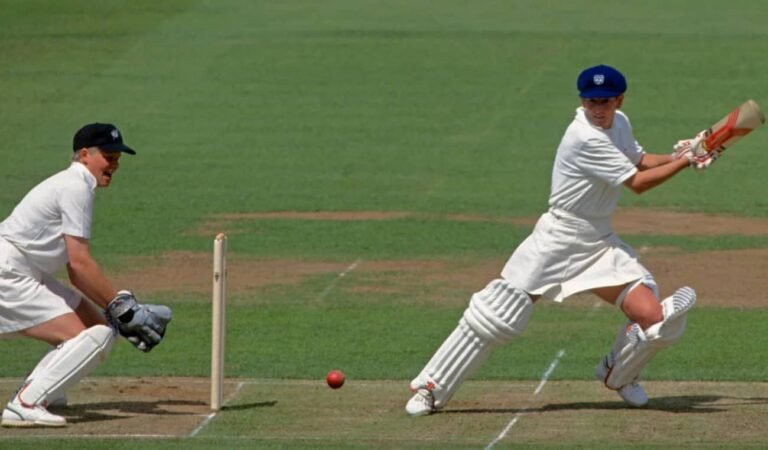
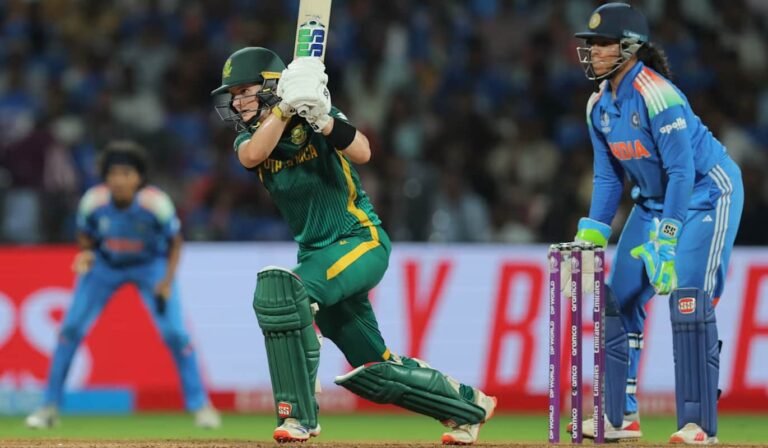
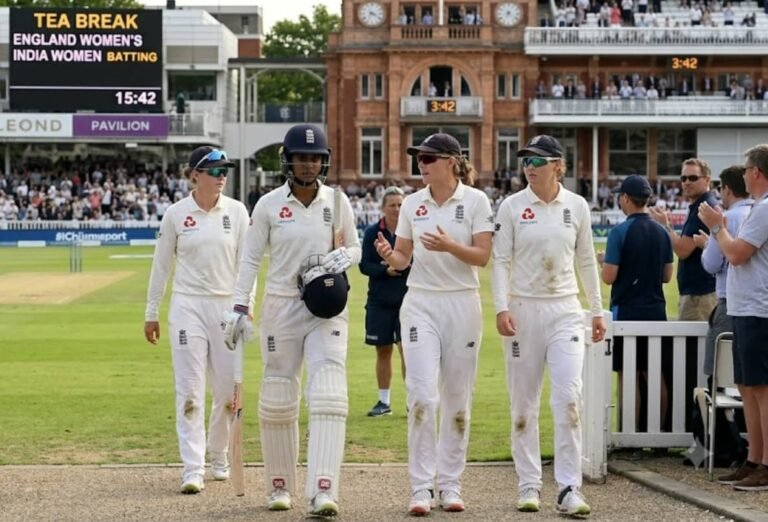
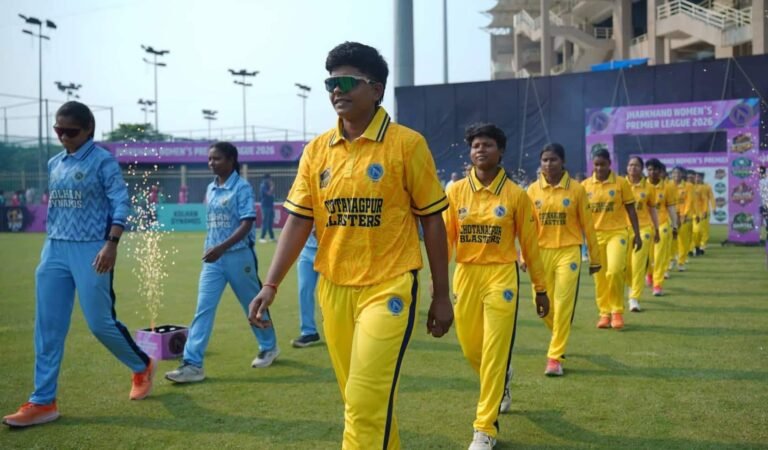
The White Ferns are gearing up for one of their busiest international seasons in recent memory.
With home series against Zimbabwe and South Africa before heading to England and then straight into the T20 World Cup, New Zealand’s women cricketers won’t have much breathing room in 2026-27.
It’s a schedule that demands depth, rotation management, and smart planning from coach Ben Sawyer’s camp.
This isn’t just about playing matches.
It’s about building momentum through different phases, managing workloads across formats, and peaking at the right time when the World Cup arrives in June.
The fixture list tells a story of preparation, pressure, and opportunity.
New Zealand Women’s Cricket Fixtures 2026-27

Complete Match Schedule Overview
The season kicks off with Zimbabwe’s tour in late February, providing ideal preparation matches on home soil.
Three T20Is at Hamilton’s Seddon Park will be followed by a three-match ODI series at the University Oval in Dunedin.
It’s classic New Zealand Cricket scheduling—using early-season fixtures to blood new players and test combinations before tougher opposition arrives.
South Africa’s tour immediately follows, and this one carries real weight.
Five T20Is across five different venues from mid-March showcase New Zealand Cricket’s commitment to spreading the game nationwide.
From Mount Maunganui’s Bay Oval to Christchurch’s Hagley Oval, fans across the country get their chance to watch international cricket.
The three ODIs that follow will test both sides’ World Cup credentials.
Then comes the England tour in May.
Three ODIs and three T20Is in challenging away conditions will reveal plenty about where the White Ferns stand heading into the World Cup.
Playing in English conditions—often seam-friendly and unpredictable—is never easy, but it’s perfect preparation for what follows.
Detailed New Zealand Women’s Cricket Fixtures 2026-27 Date and Venue Breakdown
| Date | Opposition | Format | Venue | Match Time (Local) |
|---|---|---|---|---|
| Feb 25, 2026 | Zimbabwe Women | 1st T20I | Seddon Park, Hamilton | 7:15 PM |
| Feb 27, 2026 | Zimbabwe Women | 2nd T20I | Seddon Park, Hamilton | 7:15 PM |
| Mar 1, 2026 | Zimbabwe Women | 3rd T20I | Seddon Park, Hamilton | 1:15 PM |
| Mar 5, 2026 | Zimbabwe Women | 1st ODI | University Oval, Dunedin | 11:00 AM |
| Mar 8, 2026 | Zimbabwe Women | 2nd ODI | University Oval, Dunedin | 11:00 AM |
| Mar 11, 2026 | Zimbabwe Women | 3rd ODI | University Oval, Dunedin | 11:00 AM |
| Mar 15, 2026 | South Africa Women | 1st T20I | Bay Oval, Mount Maunganui | 2:45 PM |
| Mar 17, 2026 | South Africa Women | 2nd T20I | Seddon Park, Hamilton | 2:45 PM |
| Mar 20, 2026 | South Africa Women | 3rd T20I | Eden Park, Auckland | 2:45 PM |
| Mar 22, 2026 | South Africa Women | 4th T20I | Sky Stadium, Wellington | 2:45 PM |
| Mar 25, 2026 | South Africa Women | 5th T20I | Hagley Oval, Christchurch | 2:45 PM |
| Mar 29, 2026 | South Africa Women | 1st ODI | Hagley Oval, Christchurch | 2:00 PM |
| Apr 1, 2026 | South Africa Women | 2nd ODI | Basin Reserve, Wellington | 11:00 AM |
| Apr 4, 2026 | South Africa Women | 3rd ODI | Basin Reserve, Wellington | 11:00 AM |
| May 10, 2026 | England Women | 1st ODI | Riverside Ground, Chester-le-Street | 11:00 AM |
| May 13, 2026 | England Women | 2nd ODI | County Ground, Northampton | 1:00 PM |
| May 16, 2026 | England Women | 3rd ODI | Sophia Gardens, Cardiff | 11:00 AM |
| May 20, 2026 | England Women | 1st T20I | County Ground, Derby | 6:30 PM |
| May 23, 2026 | England Women | 2nd T20I | St Lawrence Ground, Canterbury | 2:30 PM |
| May 25, 2026 | England Women | 3rd T20I | County Ground, Hove | 6:30 PM |
T20 World Cup Campaign in England
The ICC Women’s T20 World Cup follows immediately after the bilateral series, with New Zealand placed in Group B.
They’ll face West Indies, Sri Lanka, Ireland, Scotland, and hosts England between June 13 and 27.
All their group matches are split between The Rose Bowl in Southampton, County Ground in Bristol, and the Kennington Oval in London.
This grouping presents a clear pathway to the knockouts if the White Ferns can handle their business against the lower-ranked sides and compete strongly against England in the final group match.
That June 27 clash at The Oval could well determine first place in the group, especially if both teams have already secured qualification.
The scheduling here favours familiarity. Having just spent three weeks touring England, the New Zealand squad won’t need adjustment time for conditions.
They’ll know which grounds offer what, how the ball behaves under English skies in late spring, and where the boundary dimensions sit.
That local knowledge matters in tight tournament matches.
How to Watch New Zealand Women’s Cricket Matches Live?
For fans wanting real-time updates, several platforms will carry comprehensive coverage.
Sky Sport holds broadcasting rights in New Zealand, with matches streamed on Sky Sport Now.
The ICC’s official app provides ball-by-ball updates for World Cup fixtures, while New Zealand Cricket’s website maintains live scorecards for bilateral series.
International viewers can check their regional broadcasters—ESPN often covers these fixtures across Asia, while Willow TV typically handles North American rights.
Social media channels from New Zealand Cricket and the ICC also provide highlights and key moments throughout matches, which helps when time zones don’t cooperate.
The beauty of modern cricket coverage is flexibility.
You don’t need to be glued to a television anymore.
Quick score checks during work breaks, highlight packages during lunch, and full replays when time allows—the content finds its way to viewers eventually.
Strategic Considerations Behind the Schedule
This fixture arrangement isn’t random. Starting with Zimbabwe provides low-pressure opportunities to test fringe players and finalize combinations.
The University Oval’s early autumn conditions in Dunedin typically offer something for bowlers, perfect for assessing seam-bowling depth.
South Africa’s extended tour comes next precisely because they’re quality opposition without being overwhelming.
Five T20Is allow rotation and experimentation while maintaining competitive intensity.
The subsequent ODI series then locks in the first-choice lineup for England and the World Cup.
Heading to England with just a month before the World Cup creates tournament-style continuity.
There’s no coming home for a break, no reset period.
It’s one long campaign from mid-May through late June, keeping match sharpness high when it matters most.
That’s deliberate planning from New Zealand Cricket’s scheduling team.
Tactical View: Format-Specific Challenges
The T20I-heavy front half of this season makes sense given the World Cup format.
Fifteen T20 internationals before the tournament begins means plenty of data on what combinations work under pressure.
But here’s the challenge—New Zealand’s ODI form needs attention too, especially after mixed results in the 2025 World Cup.
Only six ODIs between now and the T20 World Cup could leave that format feeling underdone.
The Zimbabwe series should be straightforward, but South Africa’s ODI side is strong enough to expose any strategic gaps.
Those three matches at Hagley Oval and the Basin Reserve become crucial for maintaining ODI relevance, even if the immediate focus is T20.
There’s also the workload question. Players like Sophie Devine, Amelia Kerr, and Suzie Bates face a brutal schedule if they’re selected for everything.
Smart rotation during the Zimbabwe series becomes essential, as does clear communication about rest periods.
You can’t peak in February and expect to maintain that level through late June.
Key Venues and What They Offer
Each ground on this schedule presents unique characteristics.
Seddon Park in Hamilton typically offers good batting surfaces with consistent bounce—ideal for setting aggressive tones early in the season.
The University Oval can seam and swing, especially in morning conditions, testing batting technique.
Bay Oval at Mount Maunganui is a smaller ground where boundaries come quickly, favouring power hitters.
Eden Park in Auckland is famously short on one side, creating six-hitting opportunities that can change matches rapidly.
Hagley Oval in Christchurch often provides balanced contests between bat and ball, making it a favourite for competitive cricket.
The English venues bring different challenges.
Chester-le-Street up north can be green and helpful for seamers.
Cardiff’s Sophia Gardens occasionally offers lateral movement throughout innings.
The Rose Bowl in Southampton is a proper cricket ground with traditional dimensions, while The Oval in London is where reputations are built in big matches.
Expert Insight: Building Toward Tournament Cricket
Tournament success requires different preparation than a bilateral series.
You need a settled top seven, two or three genuine match-winners, and depth in both batting and bowling.
The fixture structure for 2026-27 allows New Zealand to identify these elements progressively.
Zimbabwe provides experimentation space.
South Africa offers genuine competition to test preferred combinations.
England sharpens execution under pressure.
Then the World Cup arrives with clarity about roles, responsibilities, and backup options.
The psychological aspect matters too.
Confidence builds through winning, but resilience comes from navigating tough situations.
Those South Africa ODIs could provide crucial adversity-handling experience.
Losing a match or two isn’t disastrous if the team learns how to respond, adjust, and fight back in the next game.
What separates good teams from great ones at World Cups? It’s usually the ability to win after losing, to maintain belief when plans don’t work, and to trust each other in pressure moments.
These bilateral series before the tournament create opportunities to develop exactly those qualities.
Frequently Asked Questions
- When does the New Zealand women’s cricket season start in 2026?
The season begins on February 25, 2026, with the first T20I against Zimbabwe at Seddon Park in Hamilton. That’s when the White Ferns officially kick off their home summer campaign.
- How many matches will New Zealand play before the T20 World Cup?
They’ll play 20 international matches—six against Zimbabwe, eight against South Africa, and six in England—before the World Cup starts in mid-June.
- Where can I watch these matches live?
Sky Sport holds New Zealand broadcasting rights, with streaming available on Sky Sport Now. International viewers should check regional broadcasters like ESPN or Willow TV, depending on location.
- Which series is most important for World Cup preparation?
The England tour in May carries the most weight. Playing in English conditions just weeks before the World Cup provides direct preparation for the tournament environment.
- Will New Zealand play any Test matches this season?
No Test matches are currently scheduled for the 2026-27 season. The focus remains entirely on white-ball cricket, given the T20 World Cup in June.
Final Thoughts
The New Zealand women’s cricket fixtures for 2026-27 represent a carefully constructed pathway toward T20 World Cup success.
From early-season warmups against Zimbabwe through challenging contests with South Africa and England, each series serves a specific purpose in tournament preparation.
For fans, it’s a season packed with cricket across formats and venues.
For players, it’s about managing workloads while building combinations and confidence.
For the coaching staff, it’s tactical refinement under increasing pressure as June approaches.
And for New Zealand Cricket, it’s an opportunity to showcase women’s cricket to home crowds before the team heads overseas for the sport’s biggest stage.
The White Ferns have the talent to make noise at this World Cup.
Whether they can convert that talent into tournament success depends largely on how well they use these 20 preparation matches leading up to it.
Also Check:
About the Author