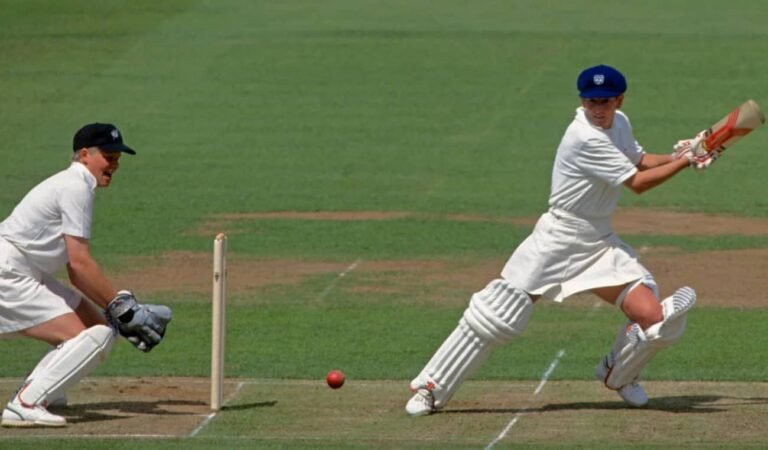
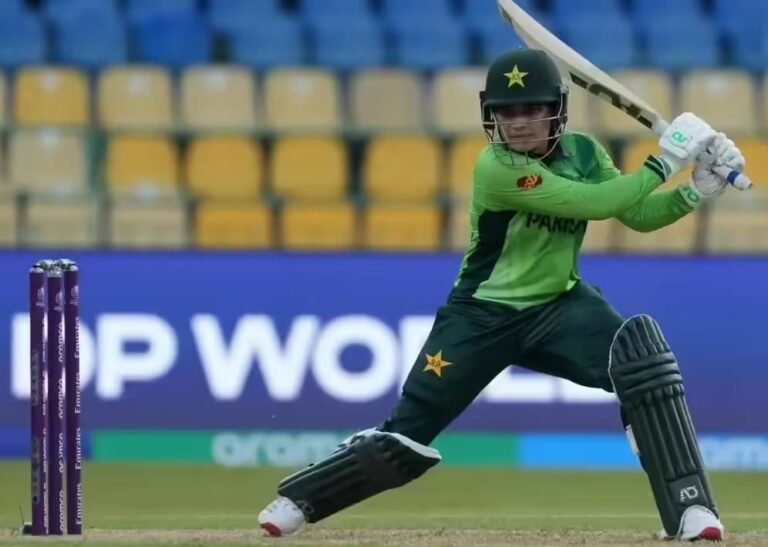
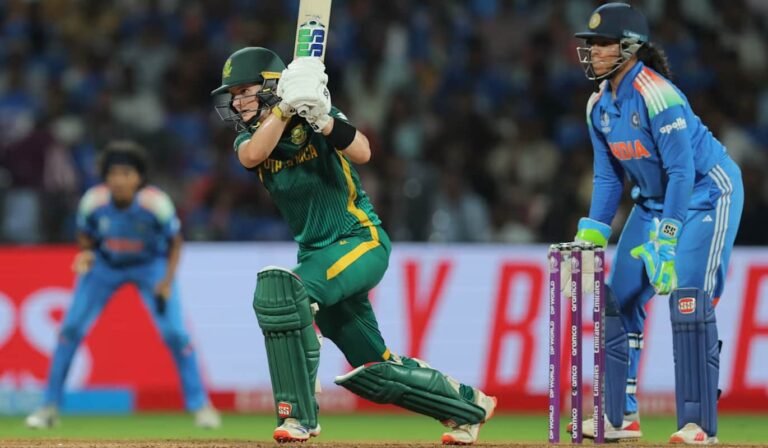
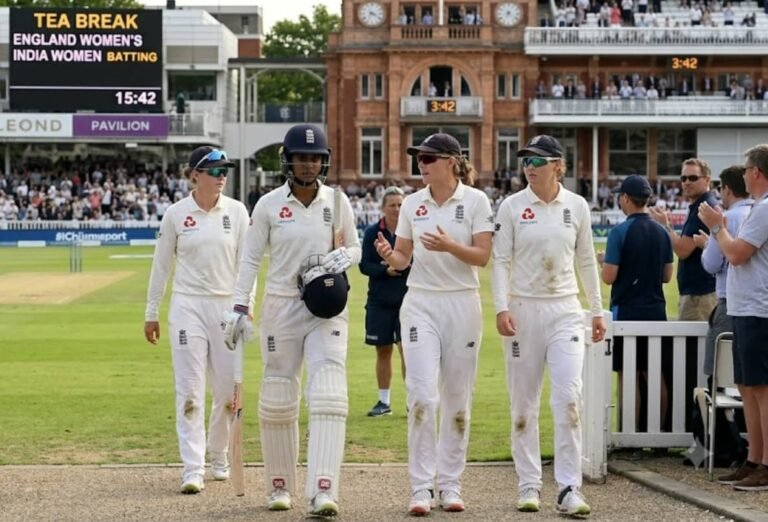
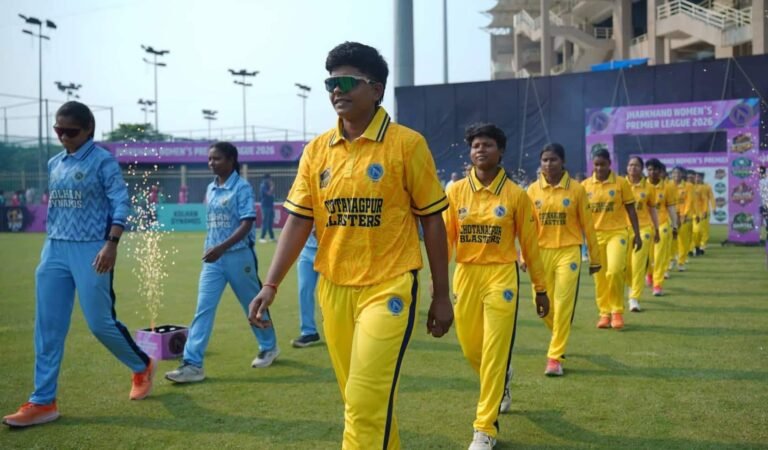
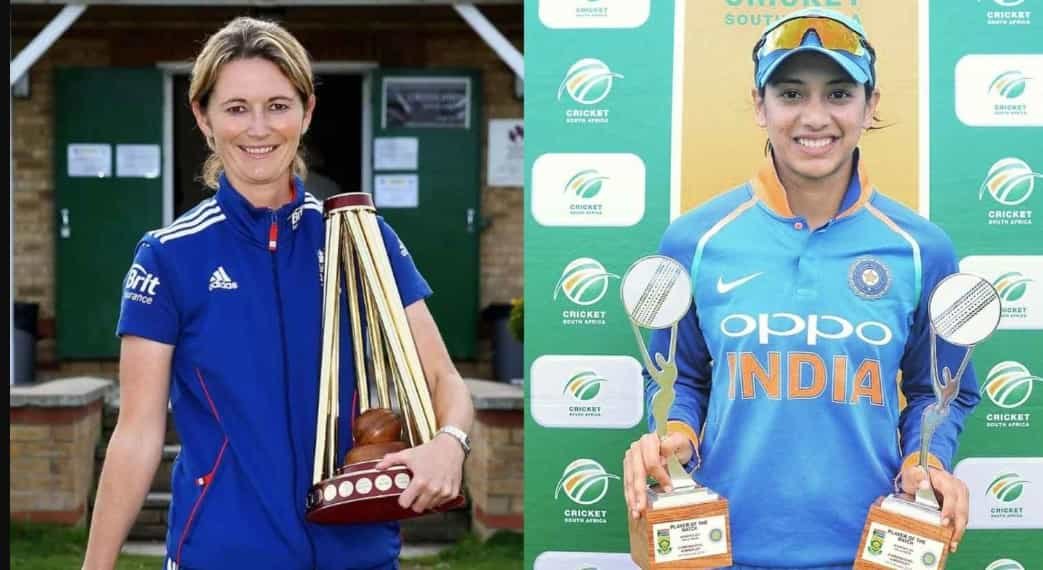
There’s something special about watching a batter walk off the field with that player-of-the-match trophy tucked under her arm.
It isn’t just about the award itself—it’s about what it represents. A match-winning knock. An innings that turned the game.
A performance that left everyone in the stadium, and millions watching at home, knowing they’d witnessed something exceptional.
In women’s ODI cricket, these awards tell stories of dominance, consistency, and moments when individual brilliance carried an entire team to victory.
They’re handed out after every completed match, but earning one? That’s where the real challenge lies.
Player of the Match Awards in Women’s ODI Cricket
What Makes a Player of the Match Performance in Women’s ODIs?
The criteria aren’t complicated, but meeting them certainly is. You’ve got to influence the match result in a way that’s undeniable.
Sometimes it’s a century when your team’s chasing 250.
Other times it’s five wickets when the opposition looked set for 300-plus.
Match context matters enormously—a 75 not out in a low-scoring chase can outweigh a comfortable hundred in a one-sided game.
Most selection panels consider three main factors: overall impact on the result, quality of opposition, and match situation when the performance happened.
A collapse-halting partnership at 45/4 carries more weight than runs added when you’re already 200/2.
Breaking Down the Numbers: Top Performers
When you look at who’s collected the most player-of-the-match awards in women’s ODI cricket, you’re essentially looking at a list of the format’s greatest match-winners.
These aren’t players who just perform—they perform when it matters most.
| Player | Country | Total Awards | Approximate Match Impact |
|---|---|---|---|
| Meg Lanning | Australia | 30+ | Batting dominance |
| Ellyse Perry | Australia | 28+ | All-round brilliance |
| Mithali Raj | India | 25+ | Anchoring chases |
| Suzie Bates | New Zealand | 22+ | Explosive starts |
| Stafanie Taylor | West Indies | 20+ | Complete performances |
What’s fascinating about these numbers is how they reflect different playing styles.
Lanning’s awards often came from sheer run accumulation—she’d simply bat the opposition out of the game.
Perry’s collection includes plenty where she contributed with both bat and ball in the same match, which is brutally difficult to defend against.
The Connection Between Consistency and Recognition
Here’s something most casual fans don’t realize: collecting player-of-the-match awards requires incredible consistency.
You can’t just show up for World Cup finals.
You’ve got to deliver across bilateral series, tri-nations, and those mid-week matches in random cities where half the world isn’t watching.
Take someone like Mithali Raj. Her awards didn’t come from pyrotechnics.
They came from repeatedly steering India home in tricky chases, often against quality bowling attacks.
She understood that ODI batting isn’t about hitting every ball—it’s about controlling the innings tempo until you’ve won.
Record-Breaking Performances That Earned the Trophy
Some player-of-the-match awards are obvious before the presentation even happens.
Belinda Clark’s 229 not out against Denmark in 1997—the first double century in women’s ODI cricket—was one of those.
Amelia Kerr’s 232 not out against Ireland in 2018 was another.
These weren’t just high scores; they were performances that redefined what seemed possible.
The highest individual score in Women’s ODI Cricket World Cup came from Debbie Hockley’s 456 runs in the 1997 tournament, though individual match awards from that era weren’t as systematically tracked as they are now.
Modern records show that performances above 150 almost guarantee the award, assuming your team wins.
India’s Standout Moments
The highest individual score in Women’s ODI cricket India has celebrated includes Smriti Mandhana’s 173 against Bangladesh in 2018 and Deepti Sharma’s all-round heroics in multiple tight finishes. These performances didn’t just earn awards—they shifted momentum in entire series.
Most Runs in Women’s International Cricket: The Bigger Picture
Player-of-the-match awards don’t exist in isolation. They’re part of a larger story of run accumulation and consistency across formats.
The most runs in women’s international cricket in all formats tells us who’s been showing up, year after year, across Tests, ODIs, and T20Is.
Mithali Raj ended her career with over 10,000 international runs across formats—a testament to longevity that few can match.
Charlotte Edwards accumulated similar numbers, as did Suzie Bates.
These aren’t players who peaked for one World Cup cycle. They sustained excellence across a decade or more.
When you break it down further, the top 10 most runs in women’s international cricket all format includes names like Meg Lanning, Stafanie Taylor, and Harmanpreet Kaur—all of whom have multiple player-of-the-match awards to their names.
The correlation isn’t accidental. Consistent run-scoring leads to match-winning performances.
The Six-Hitting Factor
ODI cricket has evolved dramatically, and nowhere is that more visible than in the most sixes in ODI Women’s Cricket category.
Players like Lizelle Lee, Nat Sciver-Brunt, and Harmanpreet Kaur have revolutionized how women’s ODIs are approached in the death overs.
Harmanpreet’s 171 not out against Australia in the 2017 World Cup semi-final included 20 fours and seven sixes—an absolute demolition job that left even seasoned commentators scrambling for superlatives.
That performance earned her the player-of-the-match award and a permanent place in cricket folklore.
Expert Insight: Why Some Players Win More Awards
There’s a psychological element to these awards that doesn’t get discussed enough.
Certain players raise their game when the stakes are highest. They don’t shrink under pressure—they actively seek it out.
Ellyse Perry’s ability to contribute in multiple phases of the game makes her nearly impossible to plan against.
If she doesn’t hurt you with the bat in the first 30 overs, she’ll break your batting lineup with the new ball.
That versatility means she’s always in the conversation for the award, regardless of match situation.
Similarly, batters who can pace an innings—like Nat Sciver-Brunt or Mithali Raj—tend to win more awards because they control outcomes.
They don’t just play well; they ensure their team crosses the finish line, which is ultimately what the award recognizes.
How Awards Reflect Team Success
Australia’s dominance in collecting these awards isn’t surprising when you consider their overall win percentage.
When your team wins 75-80% of its matches, individual performances within those victories get recognized more often.
It’s a virtuous cycle—team success creates opportunities for individual brilliance to shine.
That said, players from smaller nations can still accumulate impressive award collections if they consistently deliver in wins.
Stafanie Taylor’s record for West Indies proves that individual excellence transcends team fortunes, though winning obviously helps.
Common Questions About Player of the Match Awards
- Who decides the player of the match in women’s ODI cricket?
Match referees typically make the decision based on statistical contribution and overall impact on the match result. Some series also involve commentary panels or sponsor selections.
- Can a player from the losing team win the award?
Rarely in ODIs. Unlike Test cricket, where individual brilliance can shine despite a loss, ODI awards almost always go to someone from the winning side since the format is result-driven.
- What’s the difference between player of the match and player of the series?
Player of the match is awarded after each game. Player of the series considers overall contribution across multiple matches in a bilateral or tournament setting.
- Do player of the match awards affect rankings or records?
Not directly, though they’re often used as evidence of consistency and match-winning ability when discussing all-time great players.
- Has any bowler dominated these awards?
Jhulan Goswami, Shabnim Ismail, and Katherine Brunt have all collected numerous awards, though batters tend to win more frequently simply because runs on the board are more visible.
The Legacy of Match-Winning Performances
These awards matter because they capture something statistics alone can’t—the ability to perform when your team needs you most.
A player might average 45 with the bat, but if those runs come in losing causes or when the match is already decided, they don’t carry the same weight as someone averaging 40 whose knocks consistently seal victories.
Women’s ODI cricket has evolved into a fiercely competitive format where margins are tight and match-winners are worth their weight in gold.
The players who’ve collected the most awards haven’t just been talented—they’ve been clutch performers who understood that good isn’t enough when the game’s on the line.
As the format continues to grow in quality and depth, we’ll see new names added to this prestigious list.
But the principle remains the same: show up when it matters, influence the result, and earn the recognition that comes with being the best player on the field that day.
Also Check:
About the Author