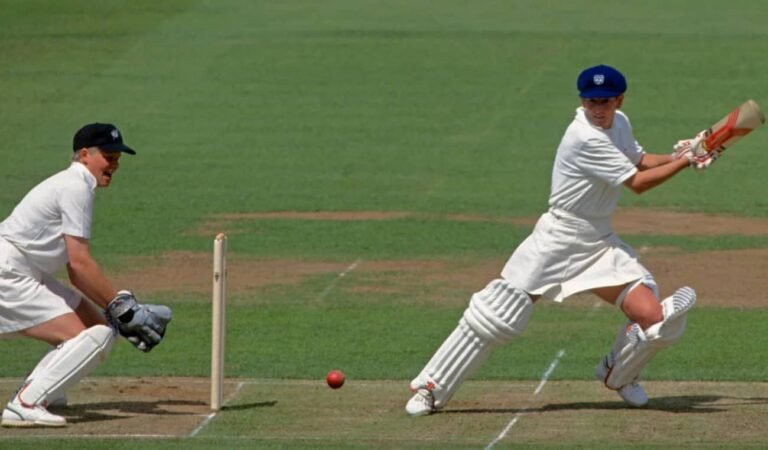
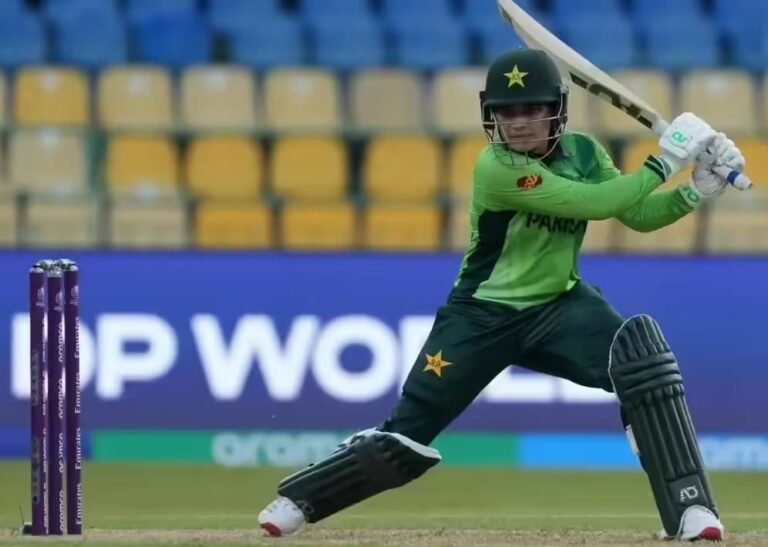
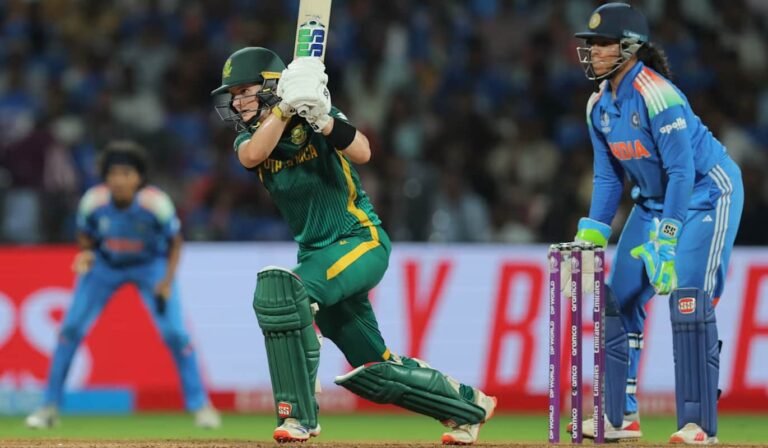
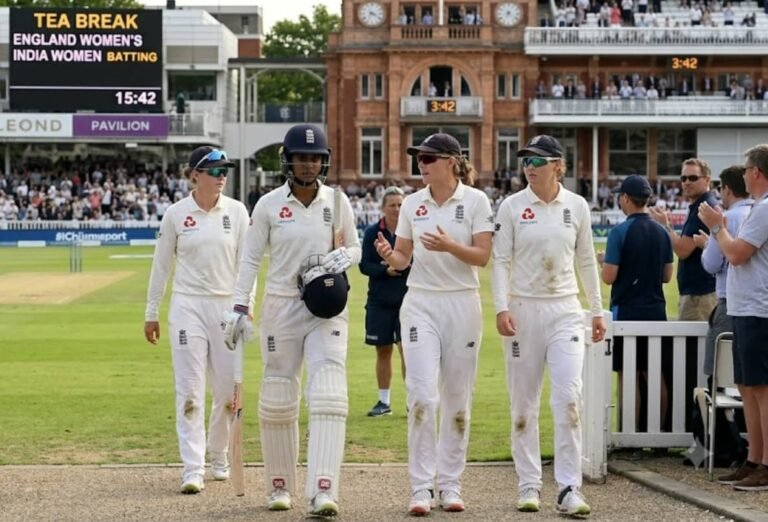
When a cricketer’s name gets etched onto a stadium stand, it’s more than just recognition—it’s immortality.
In Indian women’s cricket, only four players have earned this rare honour: Jhulan Goswami, Harmanpreet Kaur, Mithali Raj, and Shantha Rangaswamy.
These aren’t just names on concrete structures; they’re symbols of breakthrough performances, relentless dedication, and barriers smashed over decades.
Between 2025 and 2026, these tributes arrived like overdue acknowledgments of what fans already knew—these women changed the game.
From Eden Gardens’ historic terraces to Bengaluru’s Golden Jubilee celebrations, let’s explore the legends whose legacies now tower over India’s cricket grounds.
Which Indian Women Cricketers Have Stands Named After Them
Jhulan Goswami: Eden Gardens’ Fast Bowling Icon
The Bengal pacer who terrorised batting line-ups for two decades now has her name permanently displayed at Kolkata’s cathedral of cricket.
Inaugurated on January 22, 2025, during a T20I between India and England, the Jhulan Goswami Stand at Eden Gardens marks a fitting tribute to India’s greatest fast bowler.
Goswami’s numbers tell only part of the story. She claimed 255 ODI wickets at an average of 22.04, becoming the all-time leading wicket-taker in Women’s ODI World Cups with 43 scalps.
But statistics don’t capture the sight of her charging in with the new ball, extracting pace and movement from unresponsive Indian pitches when women’s cricket barely had infrastructure.
Career Milestones Worth Remembering
Her international journey spanned formats with remarkable consistency:
- ODIs: 255 wickets in 204 matches, economy rate of 3.37
- Tests: 44 wickets including a 10-wicket match haul
- T20Is: 56 wickets across 68 matches
When she retired on September 24, 2022, the Cricket Association of Bengal knew exactly how to honour her.
The Eden stand isn’t just about wickets—it’s about inspiring young girls in Bengal’s maidans to believe pace bowling isn’t just a men’s domain.
Harmanpreet Kaur: The Only Active Player With a Stand
Here’s something extraordinary: Harmanpreet Kaur became the first active Indian woman cricketer to have a stand named after her.
Not one, but multiple venues bear her name—New Chandigarh Stadium, Mullanpur’s Maharaja Yadavindra Singh International Cricket Stadium, and The Omaxe State Stadium in Dwarka, New Delhi.
The Dwarka stand, inaugurated on March 25, 2026, holds special significance as India’s first dedicated Pink Stand.
Located in the North Lower Bowl, it represents the growing commercial and cultural space women’s cricket now occupies.
Why Harmanpreet Earned This While Still Playing
The timing isn’t random. Under her captaincy, India lifted their maiden ICC senior-level title at the 2025 ODI World Cup, defeating South Africa by 52 runs at DY Patil Stadium.
That emotional moment—when Mithali Raj and Jhulan Goswami joined Harmanpreet on the podium, tears streaming down their faces—justified every honour that followed.
Harmanpreet’s career statistics showcase her all-round value:
- ODIs: 4,541 runs with 7 centuries, plus 31 wickets
- T20Is: 3,822 runs including that unforgettable 171* against Australia in 2017
- Tests: Emerging all-round presence with both bat and ball
| Player | Stadium | Location | Inauguration Date |
|---|---|---|---|
| Jhulan Goswami | Eden Gardens | Kolkata | January 22, 2025 |
| Harmanpreet Kaur | The Omaxe State Stadium | Dwarka, New Delhi | March 25, 2026 |
| Mithali Raj | ACA-VDCA Stadium | Visakhapatnam | October 12, 2025 |
| Shantha Rangaswamy | M. Chinnaswamy Stadium | Bengaluru | February 13, 2026 |
Mithali Raj: Visakhapatnam’s Run Machine
The most prolific run-scorer in women’s international cricket—10,868 runs across all formats—Mithali Raj received her stand at Visakhapatnam’s ACA-VDCA Stadium on October 12, 2025, during the Women’s ODI World Cup.
What makes this tribute special? It came from a request by Smriti Mandhana, approved by Andhra Pradesh officials.
That’s the respect Mithali commands among current players who grew up watching her accumulate runs with metronomic precision.
The Numbers Behind the Legend
Mithali’s consistency redefined what Indian women could achieve:
- ODIs: 7,805 runs at 50.68 average with 7 centuries
- Tests: 699 runs including a double century
- T20Is: 2,364 runs at 37.52 average
She led India to World Cup finals in 2005 and 2017, falling just short both times.
But her influence stretched beyond trophies—she made batting look like an art form, playing spin with soft hands and pace with calculated caution.
Shantha Rangaswamy: The Pioneer From Bengaluru
Long before women’s cricket had television coverage or sponsorships, Shantha Rangaswamy was leading India’s team.
The first woman to captain India received her stand at Bengaluru’s M. Chinnaswamy Stadium on February 13, 2026, during the stadium’s Golden Jubilee celebrations.
Her numbers from the 1970s and 80s might seem modest now—750 Test runs and 287 ODI runs—but context matters.
She played when women’s cricket had virtually no infrastructure, no coaching academies, no support systems. Every run was an act of defiance against societal expectations.
Karnataka State Cricket Association’s decision to honour her wasn’t just about statistics; it acknowledged the foundation she laid for everyone who followed.
Expert Insight: What These Honours Really Mean
These stand dedications represent a cultural shift. For decades, Indian cricket’s infrastructure celebrated only men’s achievements.
Women played on the same grounds but existed in the margins of cricket consciousness.
Now, young girls visiting Eden Gardens or Chinnaswamy Stadium see women’s names on stands.
It’s a subtle but powerful message: this space belongs to them too. The timing—all four inaugurations between 2025 and 2026—reflects women’s cricket finally receiving institutional recognition, not just ceremonial applause.
From a tactical perspective, these players revolutionised different aspects of the game. Jhulan brought genuine pace, Mithali brought technique and temperament, Harmanpreet brought explosive power, and Shantha brought pioneering courage.
Together, they cover the complete spectrum of what excellence looks like.
Why Stand Dedications Matter More Than Awards
Trophies sit in cabinets. Stands welcome crowds every match day.
When 50,000 people fill a stadium, they walk past these names, sit in these sections, create memories under these tributes. It’s permanence beyond retirement speeches and farewell matches.
For Indian women’s cricket, still fighting for equal pay and consistent scheduling, these stands serve another purpose—they’re bargaining chips in arguments about investment.
You don’t name stands after something you consider secondary.
Frequently Asked Questions
- Which Indian women cricketer was the first to have a stand named after her?
While all four stands were inaugurated between 2025-2026, Shantha Rangaswamy represents the earliest era, being India’s first woman captain from the 1970s.
- Is Harmanpreet Kaur the only active player with a stadium stand?
Yes, Harmanpreet remains the only active Indian woman cricketer with stands named after her at multiple venues, including Dwarka’s Pink Stand.
- Where is the Mithali Raj Stand located?
It’s at the Dr Y.S. Rajasekhara Reddy ACA-VDCA Cricket Stadium in Visakhapatnam, inaugurated during the 2025 Women’s ODI World Cup.
- What makes the Harmanpreet Kaur Stand unique?
The Dwarka stand is India’s first dedicated Pink Stand, symbolising women’s cricket’s growing commercial identity and cultural presence.
- Why did these honours come in 2025-2026 specifically?
The timing coincided with India’s ODI World Cup triumph and increased visibility for women’s cricket, creating momentum for long-overdue institutional recognition.
The Legacy Continues
Stadium stands outlast careers. They survive administrative changes, format revolutions, and generational shifts in how cricket is played.
Jhulan, Harmanpreet, Mithali, and Shantha won’t just be remembered through highlight reels or record books—they’ll be present every time someone takes their seat at these historic venues.
These four women didn’t just play cricket exceptionally well.
They made it possible for future generations to dream bigger, demand more, and expect equal recognition.
The stands bearing their names aren’t endpoints—they’re foundations for what comes next in Indian women’s cricket.
Also Check:
About the Author