Women’s T20 International cricket doesn’t forgive mistakes. Batters come out swinging from ball one, boundaries flow freely, and bowlers constantly operate under pressure.
Yet somehow, a select group of bowlers has managed to dominate this batter-friendly format, consistently picking up wickets across years of international competition.
When you look at the bowlers with most wickets in womens T20I history, you’re not just seeing numbers.
You’re seeing players who’ve mastered the art of outsmarting aggressive batters, controlling chaos in the death overs, and staying sharp across different continents and conditions.
These aren’t just stat-padders — they’re match-winners who’ve shaped crucial games when their teams needed them most.
Let’s break down the five bowlers who’ve set themselves apart in the race for the most wickets in womens T20I cricket.
Bowlers with Most Wickets in Womens T20I History
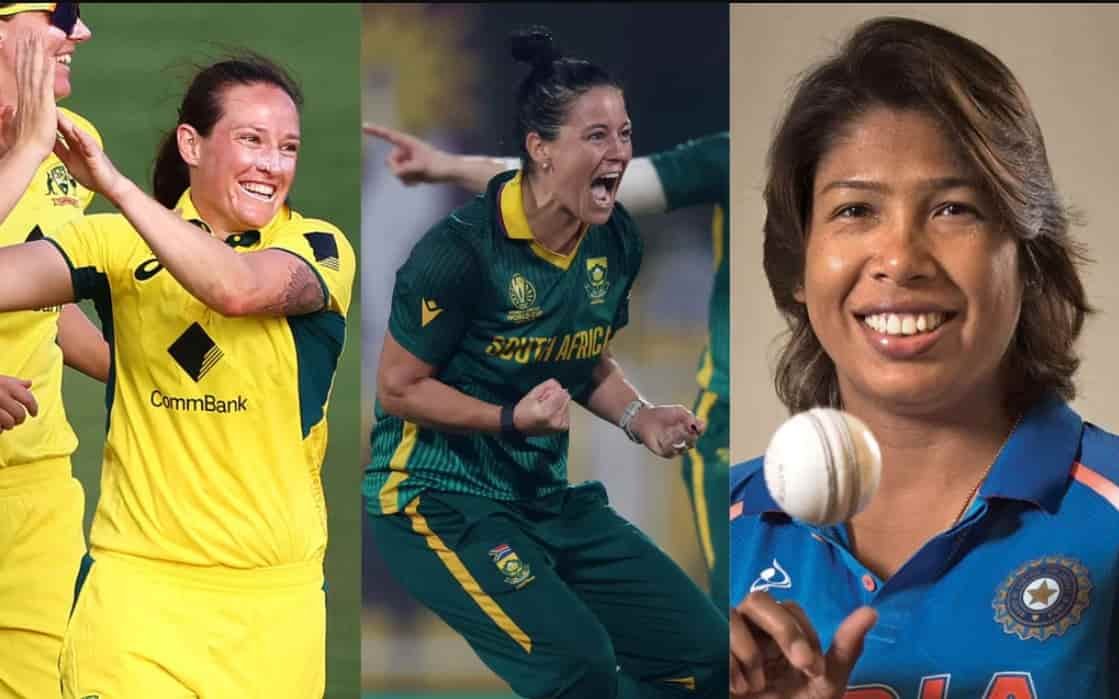
Understanding the Challenge of T20I Bowling
- Before diving into the names, it’s worth understanding what makes taking wickets so difficult in this format.
- Unlike Test cricket where bowlers can build pressure over multiple overs, T20Is demand immediate impact. Batters aren’t looking to settle in — they’re looking to attack.
- Field restrictions during the powerplay create extra challenges, and even in the middle overs, one loose delivery can disappear for six.
- The bowlers who succeed here rely on smart variations, pinpoint accuracy, and reading the game situation quickly.
- Height helps some extract bounce, swing helps others grab early wickets, but ultimately it’s the mental game that separates the best from the rest.
The Top Five Wicket-Takers in Women’s T20I Cricket
Sophie Ecclestone – England’s Left-Arm Weapon
- Sophie Ecclestone holds fifth place among the top bowlers with most wickets in women’s T20I history, and she’s nowhere near done. England’s left-arm spinner has been remarkably consistent since her debut, building a reputation as someone opposition teams genuinely fear in the middle overs.
- Her biggest advantage? Height. At nearly six feet tall, Ecclestone gets a steep bounce that makes it awkward for batters to hit through the line. She doesn’t spin it miles, but she doesn’t need to. Her line stays tight just outside off-stump, forcing batters into risky shots when they’re trying to accelerate.
- What really stands out is her economy rate. Even when she’s not taking wickets, she chokes the scoring, which creates pressure at both ends. England trusts her in any situation — powerplay, middle overs, or death. She’s bowled to Meg Lanning, Smriti Mandhana, and every big name in the game, and held her own consistently.
| Statistic | Value |
|---|---|
| Matches Played | 101 |
| Total Wickets | 142 |
| Bowling Type | Left-arm orthodox spin |
| Primary Role | Middle-over control specialist |
| Team | England |
Given her age — still in her mid-twenties — Ecclestone will almost certainly climb this list further. She’s already England’s most important bowler, and her career trajectory suggests she could challenge for the top spot in the coming years.
Henriette Ishimwe – Rwanda’s Trailblazer
- At number four sits Henriette Ishimwe, whose presence on this list tells you everything about how women’s cricket is expanding beyond traditional powerhouses. She’s proved that talent and determination can emerge from anywhere.
- Ishimwe is a right-arm medium pacer who gets the ball to talk, especially early in the innings. She doesn’t bowl express pace, but she swings it both ways and hits the seam consistently. That combination has made her lethal in African cricket and beyond, regularly dismantling top orders before they can get settled.
- What’s impressive is how she’s maintained her numbers despite playing for a developing cricket nation. Many of her matches have been against stronger teams, yet she’s continued taking wickets. Her aggressive mindset and refusal to back down have inspired a generation of young cricketers in Rwanda.
| Statistic | Value |
|---|---|
| Matches Played | 117 |
| Total Wickets | 144 |
| Bowling Type | Right-arm medium pace |
| Main Weapon | Swing bowling |
| Team | Rwanda |
Ishimwe’s journey shows that the conversation around most wickets in women’s T20 cricket isn’t just about established nations anymore. She’s broken barriers and set new standards for what’s possible.
Nida Dar – Pakistan’s All-Phase Expert
- Nida Dar sits third on the list with 144 wickets, matching Ishimwe’s total but earning the higher ranking through her performances against top-tier opposition. Known as “Lady Boom Boom,” she’s been Pakistan’s most reliable bowling option for years.
- Dar is an off-spinner who uses flight intelligently. She doesn’t just loop the ball up and hope — she actively tempts batters into mistakes. Her variations in pace keep batters guessing, and she’s developed the ability to bowl in any phase of the innings. Powerplay? She’s done it. Death overs? She’s handled that too.
- Her experience becomes crucial when Pakistan face stronger teams. Even on flat pitches where spin seems impossible, she finds ways to break partnerships. That adaptability has kept her relevant across different conditions and opposition levels.
- Playing 160 matches to get to 144 wickets shows consistency rather than explosive bursts. She’s been Pakistan’s go-to bowler in pressure situations repeatedly, and her leadership on the field adds value beyond just her bowling figures.
| Statistic | Value |
|---|---|
| Matches Played | 160 |
| Total Wickets | 144 |
| Bowling Type | Right-arm off-spin |
| Versatility | All-phase bowler |
| Team | Pakistan |
Megan Schutt – Australia’s Powerplay Specialist
- Megan Schutt owns second place with 151 wickets, and for a long time, she was the undisputed leader in this category. Her drop to second doesn’t diminish what she’s achieved — she set the standard everyone else has been chasing.
- Schutt’s weapon is the inswinger. She swings it late, targets the stumps, and frequently traps batters LBW or bowls them through the gate. Her powerplay strikes have set Australia up for wins countless times. Opposition teams know what’s coming, but stopping it is another matter entirely.
- Her control is exceptional. Even when conditions don’t favor swing, she keeps things tight and forces batters into errors. Australia uses her strategically, often saving overs for crucial moments rather than just burning through her spell early.
- Crossing 150 wickets was a milestone that seemed distant for years, and Schutt got there first. The fact that someone has now passed her just shows how competitive the most wickets in women’s T20I race has become.
| Statistic | Value |
|---|---|
| Matches Played | 123 |
| Total Wickets | 151 |
| Bowling Type | Right-arm fast-medium |
| Key Strength | New ball swing |
| Team | Australia |
Deepti Sharma – India’s Record-Breaking Off-Spinner
- Deepti Sharma sits at the top with 152 wickets, making her the bowler with the most wickets in women’s T20I history. Her rise to number one wasn’t dramatic or sudden — it came through years of smart, controlled bowling across all situations.
- Deepti is an off-spinner who doesn’t rely on massive turn. Instead, she changes her pace brilliantly, uses subtle variations in flight, and reads batters like few others can. She can bowl with the new ball, strangle batters in the middle overs, and even handle death-over pressure when needed.
- When she overtook Schutt, it marked a significant moment for Indian women’s cricket. Deepti isn’t just a bowler — she’s a capable all-rounder — but her bowling has now placed her in the record books ahead of some of the game’s biggest names.
- What makes her special is the composure she brings. In high-pressure games, when batters are going after everyone else, Deepti stays calm and executes her plans. That mental strength, combined with skill, explains how she’s reached the summit.
| Statistic | Value |
|---|---|
| Matches Played | 133 |
| Total Wickets | 152 |
| Bowling Type | Right-arm off-spin |
| Special Ability | Pace variations and control |
| Team | India |
Expert Insight: Why These Bowlers Succeeded
- Looking at this list, one pattern stands out — none of these bowlers rely purely on pace or raw turn.
- They’ve succeeded through intelligence, accuracy, and understanding of pressure situations. In T20Is, where batters have all the advantages, bowlers need more than just skill. They need tactical awareness.
- The spinners on this list — Ecclestone, Dar, and Deepti — all use flight and variations to create doubt in batters’ minds.
- The pacers — Ishimwe and Schutt — rely on movement and targeting specific areas rather than trying to blast batters out. This shows that in most wickets in women’s cricket all format discussions, consistency beats aggression.
Comparing Formats: Where Do These Bowlers Stand Overall?
- When you expand the conversation beyond T20Is to most wickets in women’s cricket all formats, the picture changes slightly. Test cricket and ODIs reward different skills — patience, stamina, and the ability to bowl long spells.
- In most wickets in women’s Test cricket, bowlers like Jhulan Goswami and Cathryn Fitzpatrick historically dominated. For most wickets in women’s ODI cricket, longevity becomes even more important, with careers spanning 150-200 matches.
- But in the T20I format specifically, the bowlers mentioned here have set the benchmarks. Their achievements in the most wickets in t20 women’s cricket India category — particularly Deepti Sharma — also highlight how Indian bowlers have grown in influence globally.
The Future of Wicket-Taking in Women’s T20Is
- The record will keep changing.
- Ecclestone is still young and adding wickets regularly. New talents are emerging from associate nations. The most wickets in women’s cricket World Cup stages have shown that tournament pressure brings out special performances, and some of these bowlers have delivered repeatedly on those big stages.
- What’s certain is that breaking into the top five now requires sustained excellence over 100+ matches. These aren’t flash-in-the-pan performances — they’re careers built on consistency, skill, and mental toughness.
Frequently Asked Questions
- Who currently holds the record for most wickets in womens T20I cricket?
Deepti Sharma from India holds the record with 152 wickets in T20I cricket, narrowly ahead of Australia’s Megan Schutt who has 151.
- Why is it so hard to take wickets in Women’s T20Is?
T20Is heavily favor batters. Powerplay restrictions limit fielding options, batters attack from ball one, and even good deliveries can go for boundaries on smaller grounds or flat pitches.
- Are spinners more successful than pacers in T20I wicket-taking?
The top five includes both, but spinners like Ecclestone, Dar, and Deepti use variations and control that work well in T20Is. Pacers like Schutt and Ishimwe succeed through swing and accuracy rather than raw pace.
- Can anyone break Deepti Sharma’s current record?
Yes, definitely. Sophie Ecclestone is only 10 wickets behind and still in her mid-twenties. Megan Schutt is also still active and just one wicket away. The record could change within the next year.
- How do these performances compare to men’s T20I bowling records?
Men’s and women’s T20I cricket have different contexts — different opposition strengths, match frequencies, and career lengths. The achievements here stand on their own merit as elite performances in women’s cricket.
Final Thoughts:
The bowlers with most wickets in womens T20I history have proven that intelligence beats power in this format.
Whether it’s Deepti Sharma’s variations, Schutt’s inswingers, or Ecclestone’s bounce, each bowler has found their own method to succeed in a format designed for batters.
These records aren’t just numbers — they represent matches won, partnerships broken, and pressure absorbed when teams needed it most.
As women’s cricket continues growing, these benchmarks will be challenged, but the bowlers who set them have already earned their place in history.