Chasing in knockout tournaments isn’t just about runs.
It’s about reading the pressure, managing partnerships, and knowing when to shift gears.
In the Women’s T20 World Cup, where conditions vary and momentum swings fast, successful chases reveal which teams handle high-stakes situations best.
The highest successful run chase in Women’s T20 World Cup history remains England’s 165/2 against Australia at The Oval in 2009.
That chase didn’t just break a record—it showed how controlled strokeplay and a single unbreakable partnership could dismantle a strong total in an era where 165 felt much bigger than it does today.
Understanding these chases helps explain how women’s T20 cricket has evolved tactically, especially in terms of powerplay strategy, middle-overs consolidation, and finishing under pressure.
Highest Successful Run Chase in Women’s T20 World Cup History
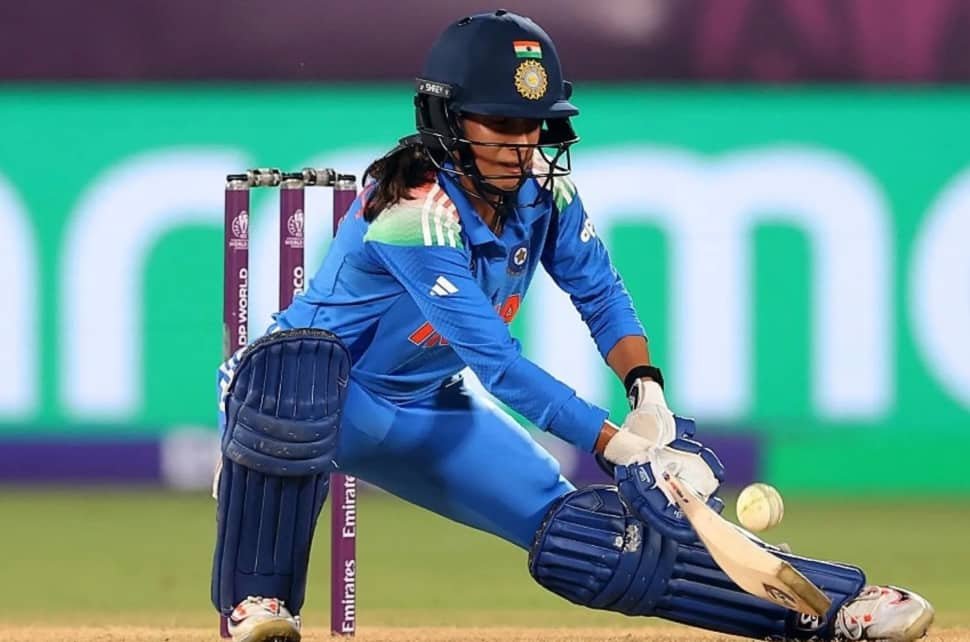
How Women’s T20 World Cup Run Chases Have Evolved Over Time
Early editions of the Women’s T20 World Cup saw lower scoring.
Totals around 120–140 were competitive, and chasing 150+ felt like a serious challenge.
Teams relied more on building partnerships than attacking every ball.
As batting techniques improved and T20 strategies matured, chasing patterns changed.
Opening partnerships became more aggressive. Middle-order finishers started taking calculated risks earlier.
The trend shifted from careful accumulation to controlled aggression.
Still, chasing 160+ in a World Cup match demands exceptional execution.
It’s not just about power—it’s about pacing the innings, rotating strike, and picking the right moments to attack.
That’s why England’s 2009 chase still holds up as the benchmark.
Top 10 Highest Successful Run Chase in Women’s T20 World Cup History
Here’s a breakdown of the most impressive chases across tournament history, showing how different teams approached high-pressure targets.
| Rank | Team | Score | Opposition | Venue | Year |
|---|---|---|---|---|---|
| 1 | England | 165/2 | Australia | The Oval, London | 2009 |
| 2 | India | 151/3 | Pakistan | Cape Town | 2023 |
| 3 | West Indies | 149/2 | Australia | Kolkata | 2016 |
| 4 | England | 146/3 | Australia | Galle | 2012 |
| 5 | West Indies | 144/4 | England | Dubai | 2024 |
These chases weren’t identical. Some relied on explosive starts, others on steadying partnerships. But all of them required clarity under pressure.
Breaking Down the Record: England’s 165/2 Against Australia (2009)
England came into this chase at 43/2, which could’ve triggered panic. Instead, Charlotte Edwards and Claire Taylor put together a partnership that completely controlled the game.
Edwards scored 80 off 56 balls, Taylor made 76 off 53, and they added 122 runs without getting separated.
What made this chase special wasn’t just the total—it was the tempo.
They rotated strike consistently, picked gaps intelligently, and accelerated only when the situation allowed.
There was no reckless phase, no collapse waiting to happen.
Australia had no answer. The partnership removed all doubt, and England crossed the line with control.
In a tournament where 165 was a rare total to chase, this performance set a standard that still hasn’t been matched.
India’s Clinical Chase of 151 Against Pakistan (2023)
India’s chase in Cape Town showed a different tactical approach.
Jemimah Rodrigues anchored the innings with 53 off 38, but the game turned when Richa Ghosh smashed three consecutive boundaries in the 18th over.
That burst from Richa wasn’t random hitting. India had paced the innings carefully, kept wickets in hand, and waited for the right moment to attack.
When it came, Richa delivered, reducing what looked like a tight finish into a comfortable win.
This chase highlighted how most runs in women’s T20 cricket world cup knockout games are built—controlled middle overs, then explosive finishing.
India didn’t panic when the required rate climbed.
They trusted the plan and executed when it mattered.
West Indies’ Dominant 149/2 Chase in the 2016 Final
When West Indies chased 149 to win the 2016 World Cup, they made it look simple.
Hayley Matthews and Stafanie Taylor opened with a 120-run partnership, both striking above 120, both keeping Australia under constant pressure.
This wasn’t one batter playing anchor while the other attacked.
Both batters kept the scoreboard moving, rotated strike, and punished loose deliveries.
The required rate never became a concern because they never let it drift.
By the time the partnership broke, the game was already decided.
West Indies won the title with a chase that showed how powerplay dominance and sustained aggression can remove all doubt from a final.
It remains one of the highest run chase in women’s T20 cricket on the biggest stage.
England’s 146/3 Chase Against Australia (2012)
England’s chase in Galle followed a more traditional T20 pattern.
Sarah Taylor anchored with 65 off 53, ensuring the innings didn’t lose shape.
But the finish belonged to Danni Wyatt-Hodge, whose 33 off 17 balls closed the match with 11 balls remaining.
That combination—stability from Taylor, explosion from Wyatt-Hodge—showed how successful chases balance roles.
Taylor absorbed pressure in the middle overs.
Wyatt-Hodge capitalized when the bowlers had nothing left.
It’s a blueprint many teams still follow: build the platform, then finish hard.
England executed it perfectly, and Australia couldn’t adjust fast enough.
West Indies’ Explosive 144/4 Chase in 2024
West Indies’ 2024 chase against England started with intent.
They smashed 67 runs in the powerplay, the highest of that tournament, immediately putting England on the back foot.
Qiana Joseph (52 off 38) and Hayley Matthews (50 off 38) added 102 runs in just 12.2 overs.
There was no cautious phase, no feeling-out period.
They attacked early, reduced the target quickly, and controlled the game even after losing wickets later.
This chase proved that if you dominate the powerplay in T20 cricket, you can afford to absorb pressure later.
The platform was so strong that England never found a way back into the match.
Tactical View: What Separates Successful Chases From Failed Ones
Chasing 140+ in a World Cup isn’t about hitting every ball for six.
It’s about reading match situations, building partnerships, and knowing when to take risks.
Successful chases share common traits:
- Strong partnerships — Most of these chases featured one standout partnership that controlled the middle phase
- Rotating strike — Singles and twos kept the scoreboard ticking without taking unnecessary risks
- Timely acceleration — Teams didn’t attack blindly; they waited for the right bowlers and situations
- Composure under pressure — Even when wickets fell, the incoming batter knew the plan and stuck to it
Failed chases often collapse because teams either panic too early or leave too much for the death overs.
The best chasing sides find the balance between aggression and awareness.
Highest Runs in Women’s T20 International: Context Beyond the World Cup
While we’re focused on World Cup chases, it’s worth noting that the highest score in women’s T20 international scorecard overall is significantly higher.
Teams have posted 200+ in bilateral series, where pressure dynamics differ.
But World Cup cricket brings different challenges. The stakes are higher, the bowling attacks are stronger, and one bad over can end a campaign.
That’s why a 165-run chase in a tournament setting feels more significant than a bigger chase in a bilateral series.
The women T20 international highest score team performances often come in less pressured environments.
World Cup chases test mental strength as much as batting skill.
Most Runs in T20 Women’s Cricket India: How India’s Chase Fits the Bigger Picture
India’s 151/3 chase against Pakistan in 2023 ranks among the most runs in t20 women’s cricket India has successfully chased in World Cup history.
It showed how India’s batting has matured, especially in knockout-style pressure.
India’s approach—anchor in the middle, explode at the end—has become a template for modern chasing.
They trust their finishers, rotate strike well, and don’t take unnecessary risks early.
This chase also highlighted India’s growing depth.
Jemimah Rodrigues and Richa Ghosh aren’t household names globally yet, but performances like these show India’s bench strength is improving.
Frequently Asked Questions
- What is the highest successful run chase in women’s T20 World Cup history?
England’s 165/2 against Australia in 2009 at The Oval remains the highest successful chase in tournament history.
- Has any team chased 170+ in a Women’s T20 World Cup?
No, the highest chase remains 165. Totals above 170 have been defended successfully in the tournament.
- Which team has the most successful high chases in Women’s T20 World Cups?
England and West Indies appear multiple times in the top five, showing consistency in handling pressure chases.
- What’s the average successful chase in Women’s T20 World Cups?
Most successful chases range between 130–150 runs, depending on pitch conditions and match situations.
- Do teams prefer chasing or batting first in Women’s T20 World Cups?
It varies by conditions, but chasing gives teams a clear target and the ability to pace innings accordingly. However, posting a strong total also puts pressure on the opposition.
Final Thoughts: Why England’s 165/2 Chase Still Matters
The highest successful run chase in Women’s T20 World Cup history isn’t just about numbers.
England’s 165/2 against Australia in 2009 showed how a single partnership, built on control and awareness, could dismantle a strong total.
Since then, teams have come close. India’s 151, West Indies’ 149 in the final, and their recent 144—all impressive chases.
But none have surpassed England’s mark, and that says something about how difficult it is to chase 165+ in a World Cup setting.
As women’s T20 cricket continues evolving, bigger chases will likely come. But for now, these matches remain the standard.
They show that successful chasing isn’t about chaos—it’s about clarity, partnerships, and executing under pressure when it matters most.
Also Check:
About the Author