
In One Day cricket, reaching fifty runs is a key milestone.
Most batters want to get there quickly—putting bowlers under pressure, building momentum, and setting up big totals.
But cricket isn’t always about blazing strike rates. Sometimes the pitch is doing too much.
Sometimes wickets are tumbling at the other end. Sometimes, your team just needs someone to stay there and grind it out.
The slowest fifties in women’s ODI cricket history tell those stories.
These aren’t failures—they’re innings shaped by tough conditions, disciplined bowling, and the simple fact that survival mattered more than scoreboard speed.
Each batter took 40 or more balls to reach fifty, which is glacial by ODI standards. But context is everything.
Slowest Fifties in Women’s ODI Cricket History
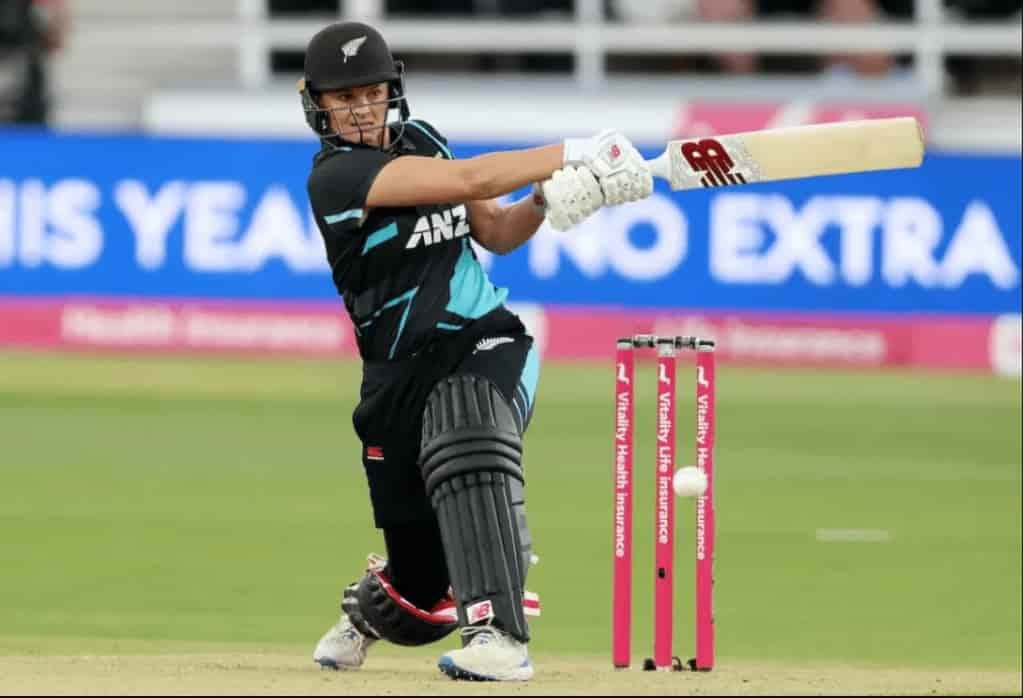
Why Batters Sometimes Play Slowly in ODIs
ODI cricket rewards aggression, but not recklessness.
When a team loses early wickets, when the ball is seaming around, or when spinners are gripping the surface, someone needs to anchor the innings.
A fifty off 40 balls might look poor on paper, but if it prevents a collapse or provides a foundation for lower-order hitters, it’s done its job.
These innings aren’t about personal glory.
They’re about reading the situation and adjusting. That’s what separates good batters from great ones: knowing when to attack and when to absorb pressure.
Recent Entries: Slowest Fifties in Women’s ODI Cricket History 2022 Onwards
Since 2022, several top batters have featured on this list.
Wyatt, Sciver-Brunt, McGrath, Lewis, and Rodrigues have all taken 40 balls to reach fifty under various challenging circumstances.
This shows that even elite players face situations where caution is necessary.
| Batter | Team | Opposition | Venue | Year | Balls Faced |
|---|---|---|---|---|---|
| Trisha Chetty | South Africa | Ireland | Claremont Road, Dublin | 2016 | 40 |
| Suzie Bates | New Zealand | Pakistan | Saxton Oval, Nelson | 2016/17 | 40 |
| Sophie Devine | New Zealand | Pakistan | Sharjah | 2017/18 | 40 |
| Shafali Verma | India | South Africa | Hagley Oval, Christchurch | 2021/22 | 40 |
| Danni Wyatt | England | India | Spitfire Ground, Canterbury | 2022 | 40 |
| Nat Sciver-Brunt | England | West Indies | Sir Vivian Richards Stadium | 2022/23 | 40 |
| Tahlia McGrath | Australia | India | Wankhede Stadium, Mumbai | 2023/24 | 40 |
| Gaby Lewis | Ireland | England | Civil Service CC, Belfast | 2024 | 40 |
| Jemimah Rodrigues | India | South Africa | R. Premadasa Stadium, Colombo | 2024/25 | 40 |
| Chloe Tryon | South Africa | India | Various | Recent | 40 |
Trisha Chetty’s Anchor Role Against Ireland
- Dublin, 2016. Ireland bowled with discipline on a surface that wasn’t easy for batting.
- South Africa had lost early wickets, and Chetty came in needing to stabilize things.
- She didn’t try to dominate—she just occupied the crease. Forty balls for fifty runs. It wasn’t pretty, but it stopped the rot.
- Her teammates could rebuild around her, and that’s what mattered.
Suzie Bates Grinds Through Tight Bowling
- Bates is normally one of the more aggressive openers in world cricket.
- But at Saxton Oval in 2016/17, Pakistan’s bowlers gave her nothing.
- They bowled tight lines, kept things dry, and forced her to earn every run.
- She couldn’t find her usual rhythm, so she adjusted.
- Forty balls to reach fifty was unusually slow for her, but she accepted what the conditions demanded and kept New Zealand’s innings on track.
Sophie Devine Battles in Sharjah
- Sharjah can be a tricky venue.
- The pitch can be slow, grip can vary, and spinners become hard to get away.
- Devine, who’s known for hitting boundaries at will, found herself in a scrap.
Pakistan’s bowlers were relentless. She had to play more defensively than usual, watching the ball closely and waiting for anything loose. - It took 40 balls to get to fifty—a rare occurrence for someone with her power—but New Zealand needed stability, and Devine delivered it.
Shafali Verma’s Unusual Caution at Hagley Oval
- Verma built her reputation on fearless batting. She goes hard from ball one and rarely backs down.
- But at Hagley Oval in 2021/22, South Africa’s seamers found movement, and she couldn’t play her natural game.
- She left balls outside off, defended carefully, and waited for scoring chances that didn’t come often.
- Reaching fifty in 40 balls was completely out of character, but India needed someone to survive the new ball, and Verma did exactly that.
Danni Wyatt Anchors Despite Short Boundaries
- The Spitfire Ground in Canterbury has short boundaries. Batters usually cash in there.
- But in 2022, Wyatt couldn’t. India bowled with discipline, kept things tight, and didn’t give away freebies.
- Wyatt had to construct her innings carefully, rotating strike when possible and looking for gaps rather than boundaries.
- Forty balls for fifty felt slow in such batting-friendly conditions, but England needed a platform, and she provided one.
Nat Sciver-Brunt Respects the Conditions
- Sciver-Brunt is one of England’s most dependable batters.
- She can accelerate when needed, but she’s also smart enough to know when to hold back.
- At the Sir Vivian Richards Stadium in 2022/23, the West Indies bowled well and the pitch offered help.
- She didn’t force things. She let the innings develop naturally, playing each delivery on merit. Fifty runs off 40 balls was methodical, not flashy—but it gave England control.
Tahlia McGrath Struggles for Timing in Mumbai
- McGrath is an all-rounder who bats in Australia’s middle order.
- At the Wankhede Stadium in 2023/24, she couldn’t find her timing. India’s bowlers kept things tight, the pitch was slow, and she had to work hard for runs.
- She defended well and rotated strike when she could, but scoring freely wasn’t an option.
- Forty balls to fifty was frustrating, but Australia needed someone to hold the innings together, and McGrath accepted the responsibility.
Gaby Lewis Holds Firm for Ireland
- Playing at home in Belfast in 2024, Lewis faced a quality England attack.
- Wickets were falling around her, and she couldn’t afford to play risky shots.
- Ireland needed their best batter to stay in, so she defended, waited for bad balls, and scored when opportunities came.
- Forty balls to reach fifty isn’t quick, but for a smaller team facing a top side, it was a gutsy effort that kept Ireland competitive.
Jemimah Rodrigues Battles in Colombo
- At the R. Premadasa Stadium in 2024/25, Rodrigues faced disciplined South African bowling.
- The pitch was tricky, and nothing came easy. She defended carefully, left well, and scored when she could.
- Forty balls for fifty was a grind, but India needed runs, and she made sure they got them—even if the scoreboard moved slowly.
Expert Insight: When Strike Rate Doesn’t Tell the Full Story
Strike rate is an important stat, but it doesn’t capture everything.
A batter scoring at 125 on a flat pitch against loose bowling isn’t necessarily playing better cricket than someone scratching to 75 on a minefield against quality seamers.
These slow fifties reflect intelligent batting. Each player assessed the conditions, understood what their team needed, and adjusted accordingly.
That’s high-level cricket thinking.
It’s easy to smash boundaries when the ball’s coming on nicely. It’s much harder to defend for 40 balls, absorb pressure, and still contribute meaningfully.
How These Innings Compare to Men’s ODI Cricket
Men’s ODI cricket has similar examples.
Players like Rahul Dravid, Michael Atherton, and even modern batters like Virat Kohli have played anchoring knocks when needed.
The difference is that women’s cricket often faces more variable pitch conditions and resources, making adaptability even more crucial.
In both formats, the best teams have batters who can shift gears—not just accelerate, but also slow down when required.
That versatility separates good line-ups from great ones.
Frequently Asked Questions
- What is considered a slow fifty in ODI cricket?
In modern ODI cricket, a fifty off 40 balls or more is considered slow. Batters usually aim to reach fifty in 30-35 balls to maintain momentum.
- Why do batters play slowly in ODIs?
Difficult pitches, disciplined bowling, early wickets, and match situations can all force batters to prioritize survival over scoring rate.
- Who holds the record for the slowest fifty in women’s ODI cricket?
Multiple players share the record at 40 balls, including Trisha Chetty, Suzie Bates, Sophie Devine, and several others.
- Are slow fifties always bad for the team?
Not at all. If a batter stabilizes the innings after a collapse or sees off quality bowling, a slow fifty can be exactly what the team needs.
- How does pitch condition affect batting speed?
Pitches with seam movement, uneven bounce, or gripping surfaces make scoring difficult, forcing batters to play cautiously and build innings slowly.
Final Thoughts:
The slowest fifties in women’s ODI cricket history aren’t about failure—they’re about adaptation.
Cricket constantly changes. Conditions shift, bowlers find rhythm, and teams lose wickets.
Great batters recognize these moments and respond accordingly.
These innings show character. They show patience. They show the ability to park ego and do what’s needed.
Forty balls for fifty might not make highlight reels, but it can make the difference between 150 all out and 220 on the board. And that can win matches.
Also Check: