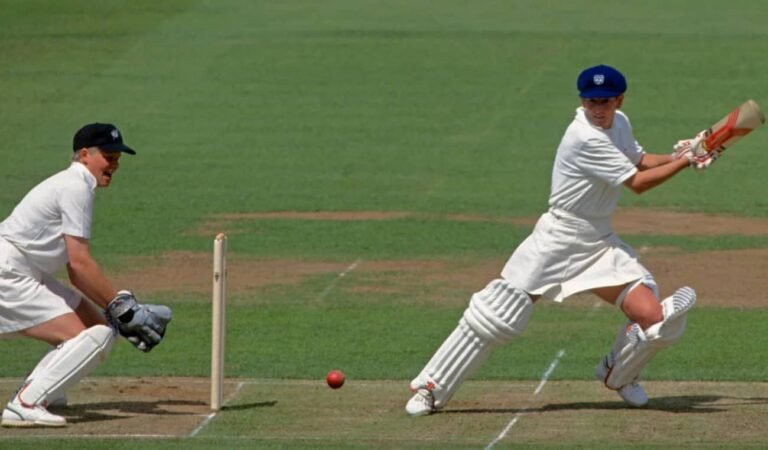
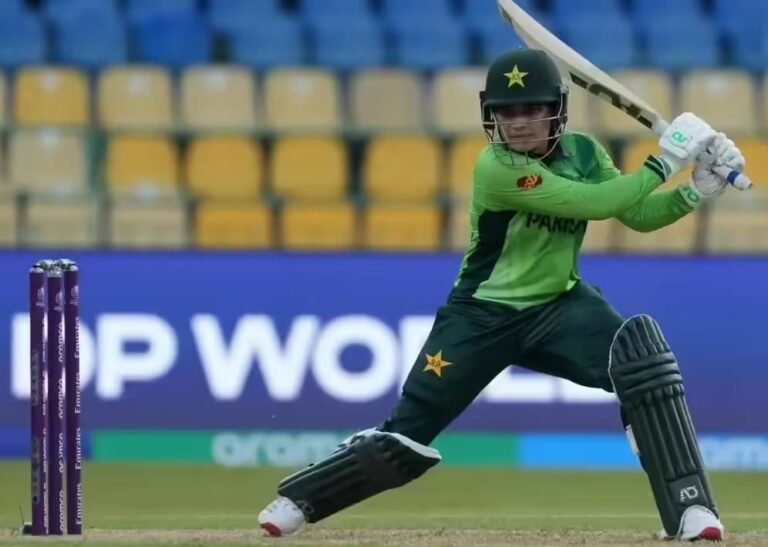
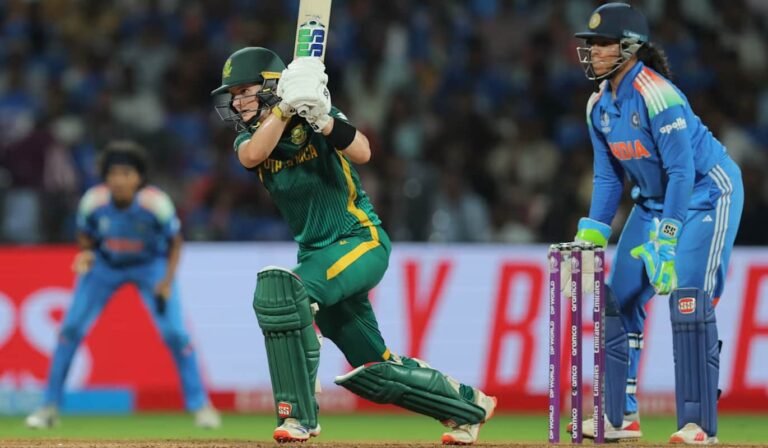
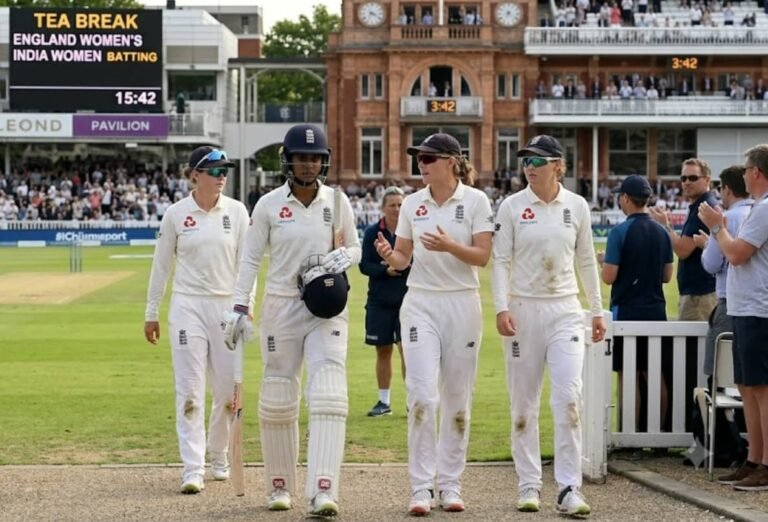
When you think of dominance in cricket, you think of batters who keep showing up match after match, year after year, delivering runs when it matters most.
In women’s One-Day International cricket, a special group of players has done exactly that, turning consistency into legacy.
These aren’t just stat-fillers. They’re match-winners who’ve carried their teams through pressure situations, adapted to different conditions, and set standards for generations to come.
From Mithali Raj’s calm authority at the crease to Meg Lanning’s explosive strokeplay, these cricketers have redefined what it means to build an ODI career.
Let’s break down who’s scored the most runs in women’s ODI cricket and what made them so hard to get out.
Players With Most Runs in Women’s ODI Cricket
Who’s Actually Topped the Charts in Women’s ODI Run-Scoring?
The top 10 players with the most runs in women’s ODI cricket represent different eras, playing styles, and challenges.
Some faced weak bowling attacks in the early days, but also dealt with limited opportunities.
Others played in the modern era with better pitches, more matches, but fiercer competition.
Here’s the full breakdown of the top run-getters:
| Player | Country | Matches | Runs | Average | Strike Rate | Centuries | Fifties |
|---|---|---|---|---|---|---|---|
| Mithali Raj | India | 232 | 7805 | 50.68 | 66.19 | 7 | 64 |
| Charlotte Edwards | England | 191 | 5992 | 38.16 | 65.29 | 9 | 46 |
| Suzie Bates | New Zealand | 171 | 5896 | 39.83 | 79.90 | 13 | 37 |
| Stafanie Taylor | West Indies | 165 | 5805 | 42.68 | 68.64 | 7 | 41 |
| Belinda Clark | Australia | 118 | 4844 | 47.49 | 66.38 | 5 | 30 |
| Karen Rolton | Australia | 141 | 4814 | 48.14 | 73.69 | 8 | 33 |
| Amy Satterthwaite | New Zealand | 145 | 4639 | 38.33 | 75.44 | 7 | 27 |
| Meg Lanning | Australia | 103 | 4602 | 53.51 | 92.20 | 15 | 21 |
| Smriti Mandhana | India | 102 | 4473 | 46.59 | 87.79 | 11 | 31 |
| Laura Wolvaardt | South Africa | 104 | 4389 | 49.31 | 71.72 | 8 | 34 |
Mithali Raj: The Ultimate Run Machine
- No one comes close to Mithali’s 7,805 ODI runs. She debuted in 1999 and played until 2022, spanning an era where women’s cricket transformed from a sideshow to a global spectacle. Her average of 50.68 tells you everything—she wasn’t just accumulating runs, she was doing it efficiently.
- What separated Mithali from others wasn’t explosive power. It was timing, placement, and the ability to read match situations like a chess player. She’d anchor India’s innings when wickets fell early, then accelerate when needed. Her 64 fifties are a record because she valued her wicket and converted starts into substantial contributions.
- Picture this: India’s chasing 240 in a World Cup match. The top order’s gone cheaply. Mithali walks in and plays with zero panic, rotating strike, finding gaps, and building partnerships. That’s what she did for two decades. Female players with most runs in women’s ODI cricket often had flashier styles, but none matched her longevity.
Charlotte Edwards: England’s Backbone
- Charlotte started at 16 and carried England’s batting for nearly two decades.
- Her 5,992 runs came in an era when England women’s cricket wasn’t always well-funded or supported.
- She scored runs because she had to—there wasn’t much depth below her.
- Her highest score of 173* shows she could go big when conditions allowed.
- But it’s the consistency across 191 matches that built her legacy. She captained England to World Cup glory in 2009, leading from the front with the bat.
- After retirement, she didn’t disappear—she became a coach, passing on knowledge to the next generation.
Suzie Bates: Power and Versatility
- Here’s something wild about Suzie: she represented New Zealand in basketball at the Olympics before becoming one of cricket’s best batters. That athleticism translates directly to her batting—quick footwork, strong hitting, and fearless approach.
- Her strike rate of 79.90 is significantly higher than most on this list. She doesn’t just accumulate; she attacks. Thirteen centuries in 171 matches show she converts good starts into match-defining knocks. And she’s still playing, meaning this tally could climb higher. Among players with the most runs in women’s ODI cricket all, few combine power and consistency like Bates.
Stafanie Taylor: West Indies’ Quiet Achiever
- If you don’t follow women’s cricket closely, you might’ve missed how good Stafanie Taylor has been. She’s quietly amassed 5,805 runs at an average of 42.68 for a West Indies team that hasn’t always been competitive.
- That average is impressive because she often bats in tough situations. When your team’s struggling, you can’t just play your natural game—you have to rebuild. Taylor does that repeatedly. Her highest score of 171 came against South Africa when the West Indies desperately needed someone to bat long. She delivered.
Belinda Clark: Ahead of Her Time
- Belinda Clark did something in 1997 that still gets talked about: she scored 229* in an ODI, the first double century in the format by anyone, man or woman. This was years before Sachin Tendulkar’s famous 200* in 2010.
- In just 118 matches, she scored 4,844 runs at 47.49. That efficiency is remarkable. She also captained Australia during their rise to dominance in the 1990s. Her technical soundness and strategic mindset set the template for Australian cricket’s professional approach.
Karen Rolton: The Enforcer
- Karen Rolton brought aggression to Australian batting. Her strike rate of 73.69 was high for her era, and she hit the ball brutally hard. Fast bowlers didn’t intimidate her—she relished the challenge.
- With 4,814 runs at 48.14, she was a pillar of Australia’s golden generation. Her partnerships with Clark formed the backbone of countless Australian victories. Eight centuries and 33 fifties show she had the game to dominate when set.
Amy Satterthwaite: The Record-Breaker
- Four consecutive ODI centuries. That’s unmatched in women’s cricket. Think about the mental strength required—not just to score one hundred, but to back it up three more times in a row.
- Her left-handed elegance and ability to time the ball made her a consistent run-scorer for New Zealand. With 4,639 runs at 38.33, she’s been a stabilizing force in the Kiwi middle order for years.
Meg Lanning: Efficiency Personified
- She has more centuries (15) than fifties (21). That’s absurd. Most batters get out in the 50s-70s range. Lanning converts those starts into hundreds. Her average of 53.51 is the highest on this list, and her strike rate of 92.20 shows she scores fast.
- In just 103 matches, she’s already at 4,602 runs. If her career had been longer, she might’ve challenged Mithali’s record. But injuries and early retirement cut it short. Still, in terms of pure impact per match, Lanning’s unmatched.
Smriti Mandhana: India’s Modern Maestro
- Smriti’s cover drives have made highlight reels worldwide. She’s India’s most elegant batter, combining classical technique with modern aggression. Her strike rate of 87.79 reflects how she’s changed India’s approach—no more just accumulating, but dominating from the start.
- With 4,473 runs in just 102 matches, she’s on track to climb this list significantly if she plays into her mid-30s. Eleven centuries already, and she’s still in her prime. Most runs in women’s T20 cricket discussions also feature her prominently—she’s dominant across formats.
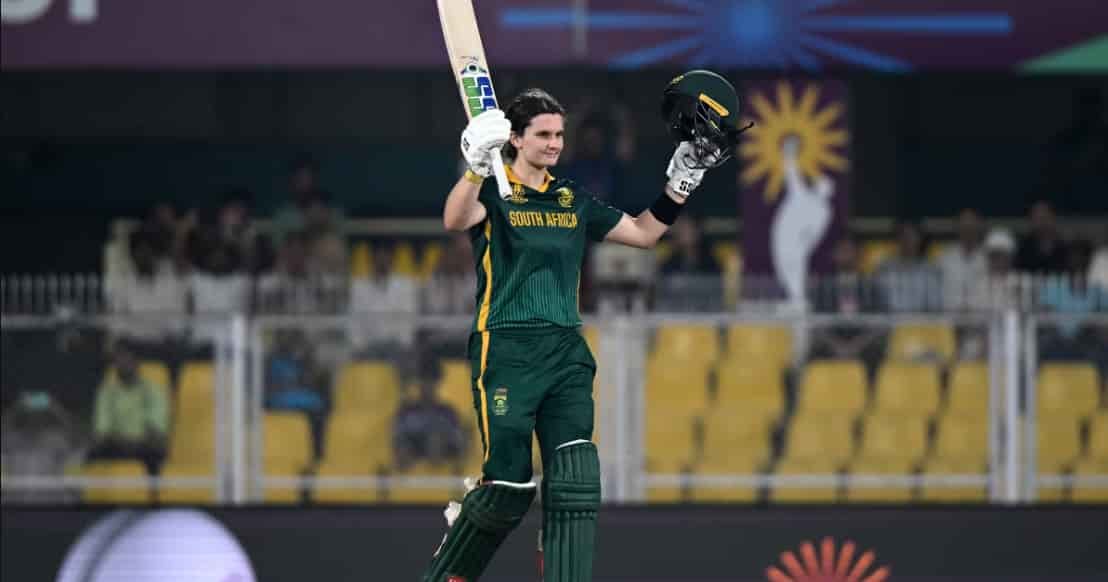
Laura Wolvaardt: The Future Is Already Here
- At 25, Laura Wolvaardt has already scored 4,389 ODI runs. Her average of 49.31 is second only to Lanning on this list. That’s elite. She debuted in 2016 and has been South Africa’s most consistent batter since.
- Her technique is textbook—minimal risk, maximum placement. She doesn’t try to smash every ball; she finds gaps and accumulates. Her highest score of 184* shows she can bat long when needed. If she plays another decade, she could challenge for the record.
Expert Insight: What Separates the Best from the Rest
Looking at these numbers, one pattern emerges: longevity matters, but efficiency matters more. Mithali played 232 matches.
Lanning played 103 but averaged higher with a better strike rate. Both approaches worked because they understood their roles.
The best ODI batters know when to attack and when to defend. They read pitch conditions, understand bowling plans, and adapt.
That’s why they’re on this list—not just talent, but cricket intelligence applied over hundreds of innings.
Another thing: mental strength. Every player here has been dismissed in the 90s, lost matches after scoring big, and faced criticism.
They kept coming back. That resilience is what builds a career, with most runs in ODI Women’s Cricket 2025 still being talked about.
How Do These Numbers Compare Across Formats?
ODIs are just one format. When you look at most runs in women’s international cricket in all formats, the picture shifts.
Some players excel more in T20s due to their power-hitting. Others thrive in the longer format where technique and patience matter more.
For example, Mithali’s T20 numbers aren’t as dominant. Her game suited ODIs perfectly.
Meanwhile, someone like Suzie Bates or Smriti Mandhana scores heavily across all three formats because their aggressive style fits modern cricket’s demands.
If you’re checking the top 10 most runs in women’s international cricket across all formats, you’ll see names like Suzie Bates rise higher because of her T20 contributions.
That’s the beauty of cricket—different formats reward different skills.
What About the Bowlers?
While we’re celebrating batters, it’s worth noting that most wickets in Women’s ODI Cricket are a completely different battle.
Bowlers like Jhulan Goswami have dominated with the ball just as these batters have with the bat.
The balance between batting and bowling excellence is what makes cricket compelling.
Great teams have both—Australia’s dominance came from having Lanning and Ellyse Perry.
India had Mithali and Jhulan. You can’t just bat teams out; you need wickets too.
Frequently Asked Questions
- Who holds the record for most runs in women’s ODI cricket?
Mithali Raj from India has scored 7,805 runs in 232 ODI matches, the most by any player in women’s cricket history.
- Which player has the best average among the top run-scorers?
Meg Lanning holds the best average at 53.51, though she’s played fewer matches than others on the list.
- Has any woman scored a double century in ODIs?
Yes, Belinda Clark scored 229 not out in 1997, becoming the first player in ODI cricket—men’s or women’s—to reach 200.
- Who are the active players still adding to these totals?
Suzie Bates, Smriti Mandhana, and Laura Wolvaardt are still actively playing and climbing the rankings.
- What makes these players different from others?
Consistency over long careers, ability to perform under pressure, and adapting to different match situations are what separate them from talented players who don’t last.
Wrapping It Up:
Mithali Raj sits alone at the top with 7,805 runs, a number that reflects two decades of excellence.
But this list isn’t just about one player. It’s about ten different careers, ten different styles, ten unique contributions to women’s cricket.
These batters didn’t just score runs, they built the sport’s credibility, inspired young girls to pick up a bat, and proved that women’s cricket deserves equal attention and respect.
As the game grows, new names will emerge. Records will fall.
But what these players achieved will always matter because they did it when it was harder, when fewer people cared, when opportunities were limited.
That’s the real legacy—not just the runs, but what those runs represented.
Also Check:
About the Author